
Music
Manchester Sound System Pioneers Revive Cultural History
This story dives into how the legacy of sound system culture in Manchester is sparking a vibrant revival, using the history embedded in music to explore themes of community, identity, and the search for belonging.
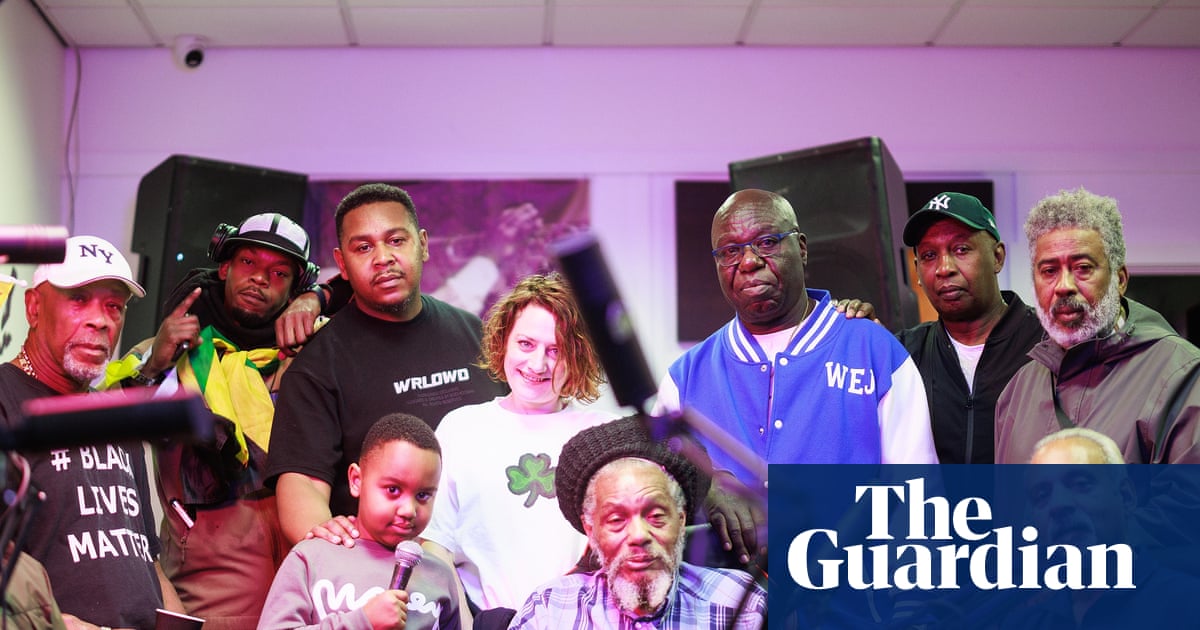
The Sound System Revival
> The heartbeat of this revival lies in the rediscovery of how these systems functioned as more than just audio equipment. They were a crucial mechanism for transmitting cultural knowledge and identity across generations, filling a void left by mainstream narratives. The pioneers understood that the music they played—reggae, R&B, and other sounds—was a direct narrative about their lived experience and heritage. This understanding is what makes the revival so potent today, offering a tangible link to cultural roots.
The sound system was not just entertainment – it was an education. This concept is central to understanding the depth of this cultural moment, showing how music functioned as a primary teacher in the absence of formal historical instruction. It underscores the profound role that authentic, community-driven sound has in shaping individual and collective identity across decades. The revival is about reclaiming that educational power through sonic experience, proving that the lessons learned through music remain relevant for finding one's place in the world.
The Legacy of Sound
> The connection between the physical equipment and the cultural narrative is what truly drives the revival. It’s about more than just playing records; it’s about preserving the infrastructure of a specific cultural movement. The work of archivists and producers is ensuring that the physical artifacts—the flyers, contracts, and sound systems themselves—are not lost to time but are instead preserved for future generations to study. This act of preservation solidifies the scene's importance as a living archive.
The physical artifacts, such as contracts from broadcasters and venue appearances, are being kept alive in museums, ensuring that the tangible history of this scene remains accessible. This shows a commitment to keeping the memory of these sound system practices alive, bridging the gap between ephemeral performance and lasting historical record. This preservation effort ensures that the lessons embedded in the sound system culture continue to resonate long after the initial performances have passed.
The Sonic Blueprint
> Beyond the cultural narrative, there is a technical aspect to this revival. The sound systems themselves represent a specific, tactile way of engaging with music—a bass-heavy, immersive experience that demands physical presence. This contrasts with more passive forms of listening, demanding active participation from the audience to fully absorb the music's message. This active engagement is key to how the revival fosters a sense of community and shared experience among participants.
The immersive nature of these sound systems forces an active relationship with the music. It is a physical experience that demands attention, which in turn builds a shared bond among those who participate. This active listening is what transforms passive enjoyment into an active, communal act, reinforcing the sense of shared history and mutual understanding within the community being revived by these sound practices. The physical act of engaging with the music is what binds the community together.
The Evolution of Sound
> The history shows an evolution from localized house parties and community functions in specific Manchester neighbourhoods to a broader, supported movement that extends beyond local confines. This shows the scene's capacity to adapt while retaining its core ethos—the use of music as a vehicle for social commentary and connection. The movement proves that the core message—finding community in shared sonic experience remains powerful, regardless of geographical scope. The sound system culture has proven its resilience by adapting to new contexts while staying true to its roots.
The adaptability of the sound system culture is evident in its ability to move from intimate neighborhood gatherings to a broader, supported movement. This shows that the core function—providing a space for expression and connection—is robust enough to sustain itself across different settings, proving the enduring power of this form of musical expression in fostering community cohesion. The movement demonstrates that the need for authentic, shared sonic experiences continues to find an audience.
The Cultural Echo
> Ultimately, the story of the sound system revival is about how music can serve as a powerful vehicle for social commentary and connection. It demonstrates that the history embedded in sound systems is not just nostalgia, but a living framework for understanding social dynamics and the struggle for inclusion. It reminds us that music has the power to articulate complex truths about social positioning and the struggle for acceptance. This makes the revival relevant now as a way to process contemporary feelings about belonging and visibility.
The music’s ability to articulate social truths is what gives this revival its contemporary edge. It speaks to ongoing conversations about belonging and visibility in society, making the historical lessons embedded in these sound practices a relevant lens through which to view current social dynamics and the search for authentic connection in modern life. The revival serves as a timely reminder that music continues to be a powerful tool for articulating where we stand socially.
“We didn’t know where we fit in. We didn’t know our history. Our parents were busy working two or three jobs,” says Errol “Barzy” Beaumont, a founder member of Baron Turbo Charge. “It was the records – Burning Spear, Bob Marley, Culture, that were telling us about our culture, which wasn’t on the school curriculum. For us, the sound system was not just entertainment – it was an education.”
“It was the records – Burning Spear, Bob Marley, Culture, that were telling us about our culture, which wasn’t on the school curriculum.”
“The sound system was not just entertainment – it was an education.”
Want our sources?
Enter your email and we’ll send the claim-linked sources used for this article.
We use this address only to send this source list.