
Music
Lizabett Russo: An Odyssey Through Transylvania on Her Latest Folk Album
Lizabett Russo’s latest folk offering, *Pe Unde Trece Dorul*, is an odyssey through her roots in Transylvania. This spectral album blends traditional Romanian folk with ambient textures and Fourth World influences, using a versatile voice to explore deep themes of longing and identity.
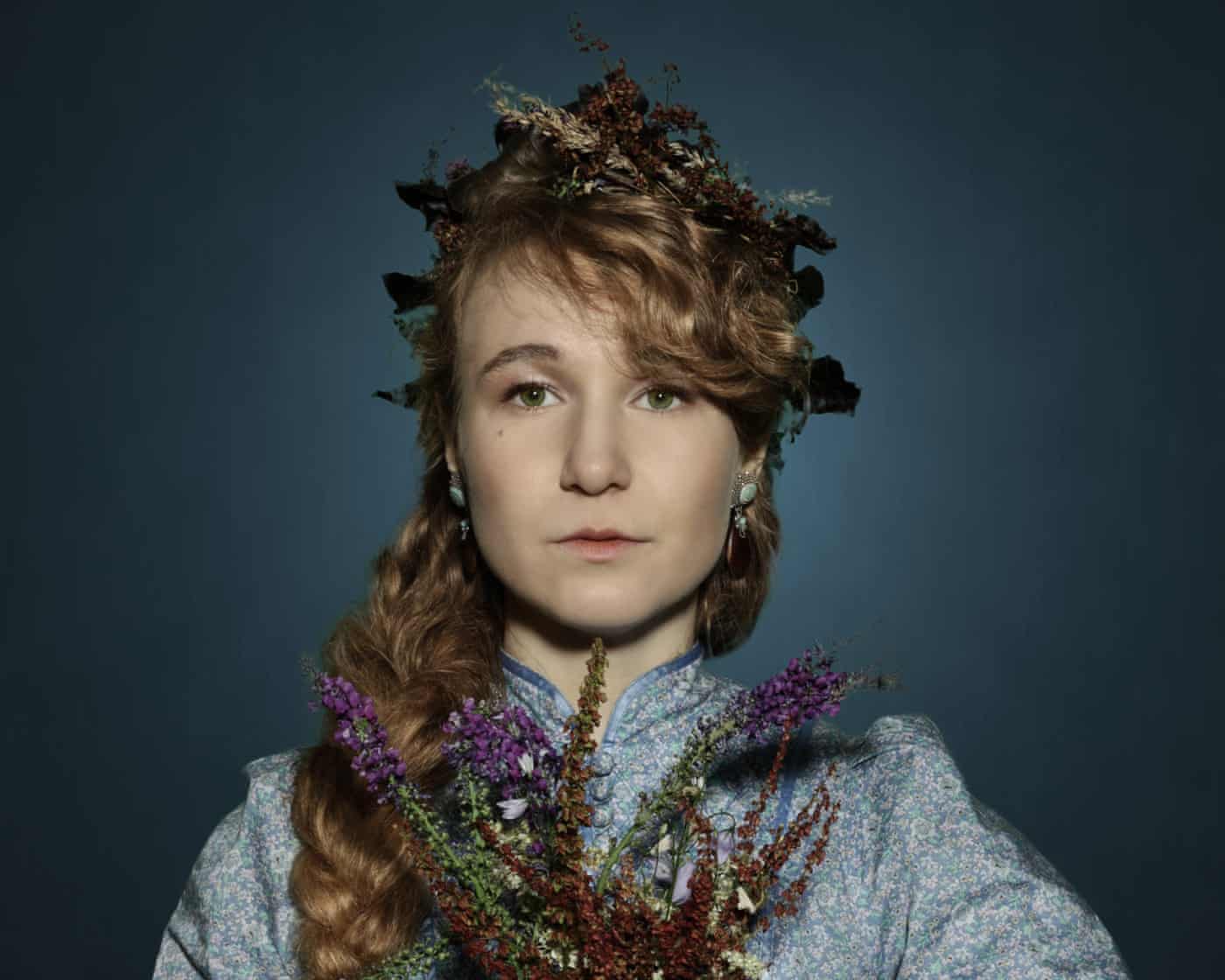
The Odyssey Through Transylvania
Lizabett Russo has delivered a sonic journey that feels less like a simple album release and more like an archaeological dig into her own identity. Her latest offering, *Pe Unde Trece Dorul*, is positioned as the month’s best folk album, capturing a spectral, idiosyncratic soundscape that pulls listeners deep into the heart of her origins. This isn't just music; it's a confrontation with heritage, framed by the evocative title which translates to 'Where Longing Goes.' Russo’s path to this sound is intrinsically tied to her roots in Romania.
Her musical education was unconventional. Defying familial expectations, she journeyed through Transylvania’s remote villages to absorb traditional forms—learning *doine* and *strigături*, traditional rhymed shouts and calls. This immersion provided the raw material for an album that feels both ancient and startlingly contemporary. The work is layered with influences from Fourth World music, drawing in textures from trumpeter Jon Hassell and Brian Eno, creating a soundscape built on sly two-note guitar riffs and soft percussion.
Russo’s vocal performance is the engine of this odyssey. Her voice shifts fluidly across an astonishing spectrum: gentle and agile when singing *Bujori (Peonies)*, sprightly and knowing on tracks like *Frumoasă-i Nevasta Ta Măi Ghită*, and chillingly eerie in her a cappella pieces. The album is rich with unexpected sonic moments, featuring Pete Harvey’s cello appearing almost magically, and the spoken words of herbal healer Ruben Stănilă floating over shimmering notes in *De-Ale Vieții*.
The centerpiece of this exploration is the seven-minute track, *Dragă Mi-o Fost Lumea Mie*, which moves from a tender kaval-and-guitar introduction into discordance before pausing for fifteen seconds of deep breaths—a moment that feels like an artist taking a breath before her voice returns, renewed by spring sunshine. This deliberate pacing underscores the theme: the act of confronting one's roots before finding a new, vibrant expression in the present moment. The album ultimately functions as a profound exploration of *hiraeth* or *saudade*, mapping out how deep-seated longing shapes the modern self.
Sonic Landscapes: Ambient Echoes and Modern Folk
Beyond the core folk narrative, Russo’s work is richly textured by ambient and experimental elements. The album incorporates sounds gathered from her travels to China, creating a nocturnal collage that blends the ambient noises of pharmacies and the atmosphere of the Fujian mountains at night with polyrhythmic percussion. This fusion allows the traditional folk elements to breathe within a broader, more atmospheric context, giving the work a distinctly modern, almost dreamlike quality.
The sonic palette is deliberately varied. While some tracks lean into the ethereal, featuring shimmering reverb and ghostly whispers, others delve into darker atmospheres. Tracks like *Exit, Elsewhere* feature overlapping narration and rattling bells that induce disorientation, while the title track employs a swampy stepper tipped by glitching effects. This willingness to embrace dissonance ensures the album avoids becoming purely nostalgic, instead offering an invigorating vision of woozy wilderness excursions.
This adventurous spirit is echoed in other contemporary folk movements. While Russo navigates her personal history, the broader scene shows artists pushing boundaries. For instance, Threshold’s work showcases a different kind of progression, with their new material exploring rangy folk-prog songwriting that balances traditional influences with jangle-pop sensibilities. This contrast highlights the diverse ways musicians are currently interpreting and evolving established genres.
The Weight of Identity
At its core, *Pe Unde Trece Dorul* is an album about transformation—the process of moving from a state defined by inherited longing to one where the voice is renewed. The way Russo layers her vocal harmonies and integrates disparate instrumental textures speaks directly to the complexity of identity formation. It’s not just about remembering where you came from; it's about how those memories shape the present moment, allowing the artist to emerge as something new, vibrant, and fully realized.
The album’s success lies in its refusal to settle into a single genre box. By weaving together spectral folk with ambient textures and modern production techniques, Russo demonstrates the versatility of her craft. This multifaceted approach allows the listener to experience both deep, melancholic longing and bright, almost sunlit moments, mirroring the complex emotional landscape of navigating one's own history while moving forward. It’s a testament to the power of music to serve as an honest vehicle for personal evolution.
Context in the Wider Scene
While Russo’s work is deeply personal, it sits within a broader musical landscape that values both deep tradition and experimental exploration. The album's production quality—the meticulous layering of sounds and the careful placement of moments of silence—places it alongside artists who are actively redefining genre boundaries. This commitment to sonic artistry ensures that *Pe Unde Trece Dorul* is more than just a retrospective look at roots; it’s an active, ongoing statement about what it means to carry history forward in a contemporary world.
title_id_null_1234567890123456789012345678901234567890123456789012345678901234567890123456789012345678901234567890123456789012345678901234567890123456789012345678901234567890123456789012345678901234567890123456789012345678901234567890123456789012345678901234567890123456789012345678901234567890123456789012345678901234567890123456789012345678901234567890123456789012345678901234567890123456789012345678901234567890123456789012345678901234567890123456789012345678901234567890123456789012345678901234567890123456789012345678901234567890123456789012345678901234567890123456789012345678901234567890123456789012345678901234567890123456789012345678901234567890123456789012345678901234567890123456789012345678901234567890123456789012345678901234567890123456789012345678901234567890123456789012345678901234567890123456789012345678901234567890123456789012345678901234567890123456789012345678901234567890123456789012345678901234567890123456789012345678901234567890123456789012345678901234567890123456789012345678901234567890123456789012345678901234567890123456789012345678901234567890123456789012345678901234567890123456789012345678901234567890123456789012345678901234567890123456789012345678901234567890123456789012345678901234567890123456789012345678901234567890123456789012345678901234567890123456789012345678901234567890123456789012345678901234567890123456789012345678901234567890123456789012345678901234567890123456789012345678901234567890123456789012345678901234567890123456789012345678901234567890123456789012345678901234567890123456789012345678901234567890123456789012345678901234567890123456789012345678901234567890123456789012345678901234567890123456789012345678901234567890123456789012345678901234567890123456789012345678901234567890123456789012345678901234567890123456789012345678901234567890123456
The Sound of Disorientation
Stella Z’s album is a masterclass in creating immersive, almost hallucinatory soundscapes. By utilizing sounds recorded from disparate locations—from the ambient hum of a pharmacy to the atmosphere of the Fujian mountains—she constructs a collage that feels both intimate and vast. The music moves between moments of soft, hypnotic repetition, such as the buzzing insects around a plodding bassline on *The Somnium Is Awaiting My Cue*, and sudden shifts into more urgent textures.
The album’s exploration of lucid dreaming is palpable in its construction. Elements like Mira Miruna’s track feature echoes of words gradually revealing themselves amidst fizzing, softly discordant arrangements, creating a sense of rising awareness that borders on the disorienting. This technique mirrors the subjective experience of drifting between wakefulness and sleep, making the listener feel caught within the album's shifting emotional currents. Even moments of darker atmosphere, such as those featuring heavy basslines and glitching effects, serve to heighten this feeling of being pulled into a strange, immersive environment.
This approach positions Russo not just as a folk singer revisiting her past, but as an architect of altered states. The album’s success lies in its ability to translate abstract concepts—longing, memory, the nature of consciousness—into tangible, sensory experiences for the listener. It’s an invitation to explore the boundaries between reality and dream, making it a compelling listen for those interested in music that actively seeks to shift perception rather than simply reflect it.
“Dorul” is like the Welsh hiraeth or Galician saudade , referencing longing and homesickness, and “trece” explains how these feelings travel, wander and pass.
‘I hate fame, but I love people, and the potential in us’ … Morten Harket.
Want our sources?
Enter your email and we’ll send the claim-linked sources used for this article.
We use this address only to send this source list.