
Music
Manchester Gig Security Failure Sparks Major Safety Debate
A live music event at Manchester Co-op Live saw a major incident where an unknown substance was allegedly released into the crowd, leading to evacuation and significant criticism over security.
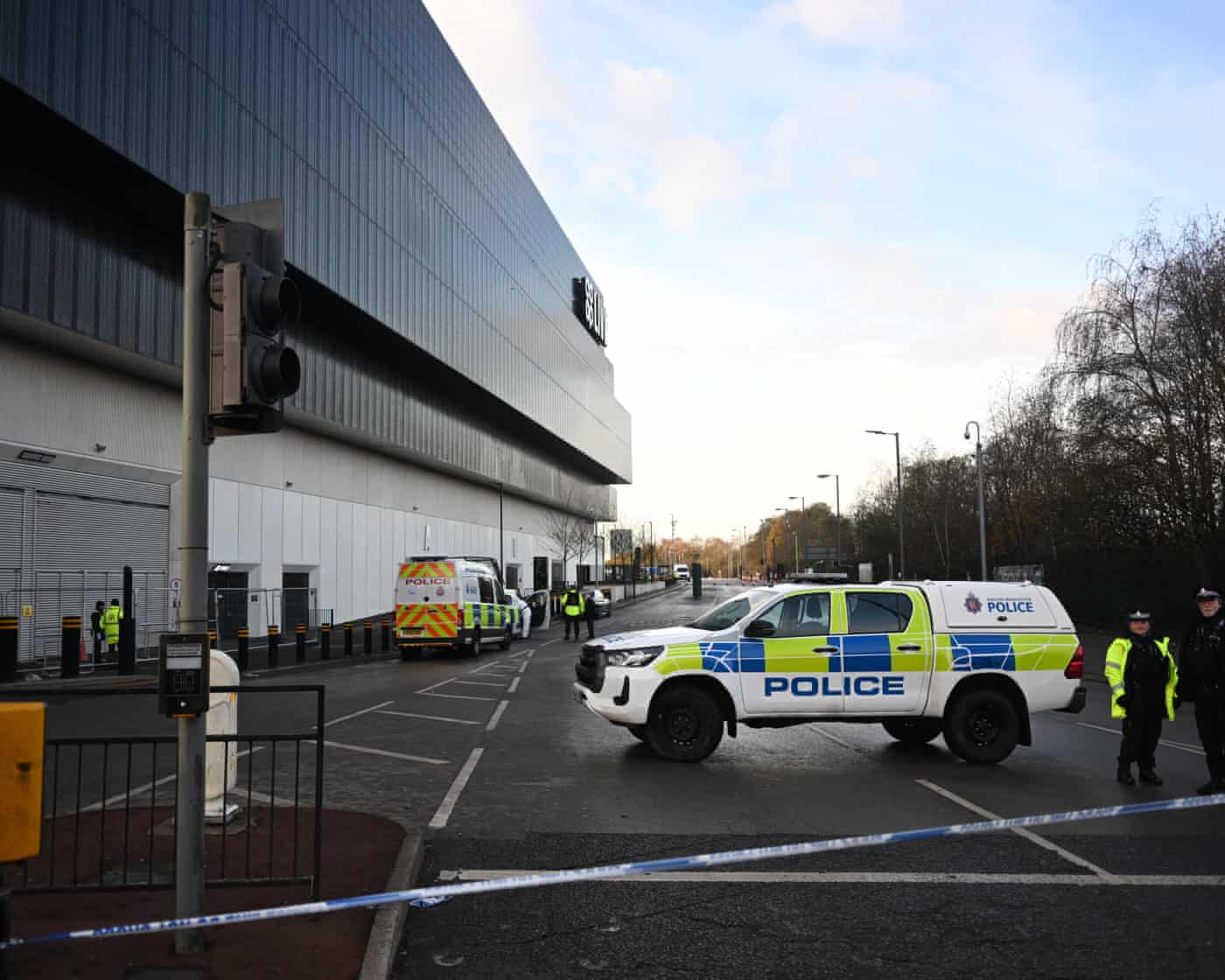
The Sound of Crisis: Security Failures
> The atmosphere at the Manchester Co-op Live gig quickly turned from a concert experience into a crisis when an 'unknown substance' was allegedly released into the audience. Reports from attendees painted a picture of severe security lapses, with many describing feelings of panic and physical distress as the situation unfolded. Fans recounted witnessing people 'choking', 'screaming', and coughing up blood as they tried to leave the venue. This visceral reaction underscores the severity of what many felt was a failure in crowd management and safety protocols.
> The scale of the response was significant; Greater Manchester Police (GMP) declared a major incident, leading to a large-scale evacuation of the 12,000-strong crowd. Emergency services were heavily involved in assessing the situation, with 88 people being assessed by clinicians for symptoms related to the exposure. The gravity of the situation was highlighted by the fact that some fans felt security was 'really shocking' and described how people were allowed to move through without proper checks, such as bag searches.
> Critics pointed out that the venue appeared to have 'learned nothing' from past incidents, questioning whether current security measures were adequate for such events. Concerns were raised about the level of diligence shown by staff and whether they were properly equipped to handle such situations, especially when compared to past incidents involving similar substances. Furthermore, some attendees felt that security personnel were too relaxed, allowing people to move through without proper scrutiny, leading to further distress.
> The official response from the venue acknowledged that they were working with GMP to identify the cause and appropriate action, while also stating that while some security measures are visible, others are not. This created a gap between the public perception of lax security and the official assurances provided by the venue regarding their safety procedures. The ongoing investigation into the nature of the substance and its origin remains a key point of contention as authorities work to establish any potential criminality related to the incident.
The Aftermath for the Artist
> The fallout from the incident directly impacted US rapper Don Toliver's touring schedule. His planned shows in London were postponed, with Live Nation stating that his stage and production equipment remained in Manchester and could not be moved in time. This disruption highlights the tangible, real-world consequences that such incidents have on an artist's career and ability to perform as planned. The inability to move production equipment underscores the logistical hurdles that follow such high-profile incidents.
> Despite the immediate chaos, the artist himself expressed concern for the well-being of his fans, stating his primary focus was ensuring everyone's safety and that he wanted to ensure the next show could proceed properly. This shows a level of personal accountability amidst the operational chaos that follows such public failures for touring artists. The situation serves as a stark reminder of the pressure performers face when navigating high-stakes performances alongside unpredictable, dangerous elements.
> The incident serves as a critical case study for the music industry regarding the need for robust and transparent safety standards in live events, especially when dealing with substances that can cause severe physical reactions. It forces a broader conversation about how live music events must balance artistic performance with uncompromising safety mandates to protect both performers and the audience in high-pressure environments. The incident is a stark marker for future industry standards.
Industry Takeaways
> The incident forces a broader industry conversation about the state of security in large-scale live music venues. It highlights the tension between the need for a vibrant, high-energy concert experience and the non-negotiable requirement for stringent safety measures. The criticism leveled at the venue suggests that there is a gap between what is perceived as necessary safety standards and what is actually implemented on the ground. This calls for a serious review of how venues prepare for and respond to unforeseen, potentially dangerous situations in the future.
> Ultimately, this event serves as a cautionary tale for the industry. It underscores that even with visible security efforts, there is room for improvement to ensure that the experience for concertgoers is not only musically thrilling but also fundamentally safe and secure. The call for more sophisticated, reliable safety technology is a clear signal that the industry needs to move beyond perceived adequacy and towards truly robust protection for its patrons. This incident will likely influence how future large-scale events are planned and executed across the board.
Unresolved Threads
> The core mystery surrounding the 'unknown substance' remains an open question for investigators. Authorities are actively working to establish what the substance is, where it originated, and whether any criminal activity is involved. Until this mystery is resolved, the full scope of what transpired remains obscured to the public and investigators. This lack of clarity leaves a significant void in public understanding regarding the exact nature of the threat faced by concertgoers.
> Furthermore, the conflicting accounts from attendees—ranging from descriptions of a 'pop' to physical sensations like burning or stinging, to observations about security being lax—add layers of complexity to the narrative. These varied testimonies contribute to a fragmented picture, making it challenging for investigators to pinpoint the exact nature of the threat or the precise breakdown in security procedures. This ambiguity will likely persist as investigators continue their work.
> The broader implication is a call for greater transparency from both the industry and law enforcement in handling such incidents. The need for clear, unified communication regarding safety concerns is paramount to rebuilding trust with the public following such a distressing experience. This incident sets a benchmark for what should be expected in terms of transparency when public safety is at stake in the music industry landscape. The question remains whether the current framework is sufficient to prevent such incidents moving forward.
Contextualizing the Scene
> The context of the event places this security failure within the broader landscape of live music events, where the expectation for high-level safety is consistently high. This incident serves as a sharp point of focus in the ongoing dialogue about how live music venues manage the inherent risks associated with large gatherings. It sits alongside discussions about past incidents, such as those involving tear gas, fueling a larger debate on whether current safety infrastructure is truly sufficient for the demands of modern touring acts.
> This event feeds into a larger narrative about the industry's struggle to maintain a safe environment while simultaneously trying to deliver the high-octane experience that audiences expect. It is part of a continuous cycle where artistic ambition meets the practical, often imperfect, realities of venue operations and public safety management. The criticism serves as a timely critique of the industry's current approach to risk mitigation in the face of evolving performance demands.
"He saw it go off and then he said literally within three breaths he could feel it in his chest burning. He said it was the worst pain he’s ever experienced in his life, like someone was stood on his chest." (Mother of the 16-year-old boy)
"There was zero precautions taken to ensure the safety of everyone in there. It was just atrocious." (Crowd member)
"They weren't checking bags, to the point where I had to ask them if they needed to check mine." (Jobe O’Connor)
"People were coughing up blood." (Harper)
Want our sources?
Enter your email and we’ll send the claim-linked sources used for this article.
We use this address only to send this source list.