
Science & Technology
Haitian Boy Released from ICE Custody and Returns Home
An eight-year-old Haitian boy returns home after being released from ICE custody. The story highlights the emotional toll of immigration detention and raises questions about the balance between security measures and humanitarian obligations for children.
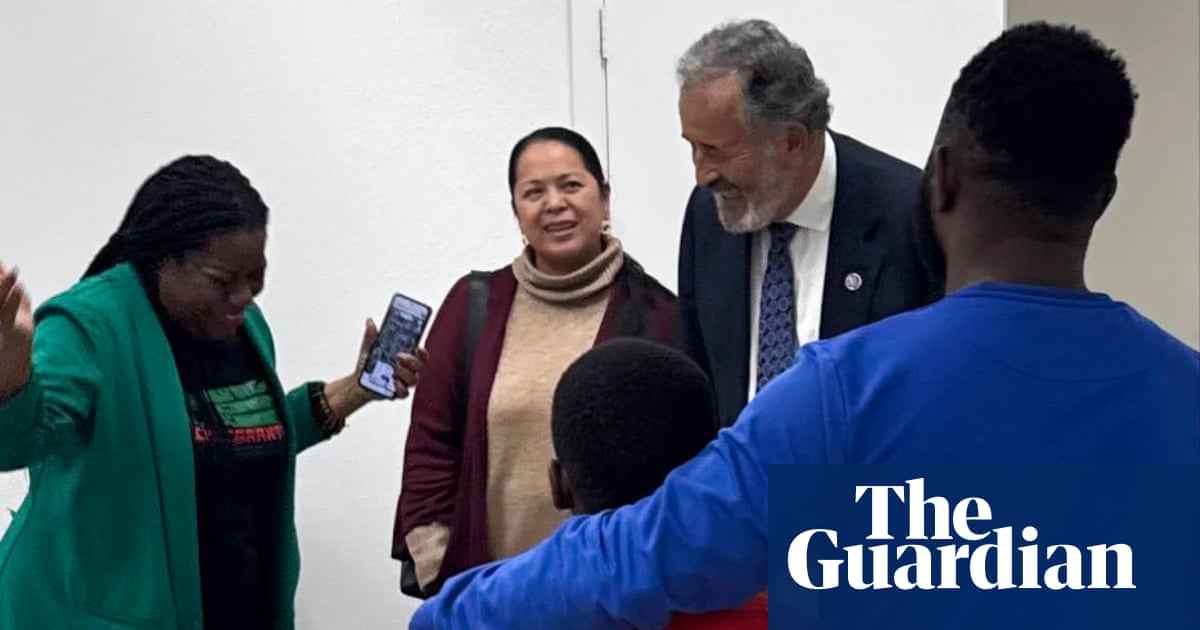
The Weight of Reunion: An Eight-Year-Old's Journey Home
The story of an eight-year-old Haitian boy returning home after release from Immigration and Customs Enforcement (ICE) custody is more than just a news item; it’s a raw, visceral depiction of the human cost embedded within immigration enforcement. This event strips away the bureaucratic language of detention and replaces it with the stark reality of family separation and eventual reunion. For the child, this moment signifies the end of intense uncertainty and fear, while for his family, it represents a profound, tearful relief. The narrative centers on a child who was detained by federal immigration officers in San Diego before being transferred to a facility in Texas, making his return home a powerful symbol of both personal triumph and systemic failure.
The emotional landscape of the reunion is palpable. Representative Juan Vargas shared a photograph of the boy and his family on social media, marking the moment he could finally share a picture of them together after they had been separated. This public display of joy was underscored by heartbreaking testimony from advocacy groups. Guerline Jozef, executive director of the Haitian Bridge Alliance, spoke about the scene, noting that the aunt was crying and had not eaten since the day the child was taken. These personal accounts cut through the official reports, emphasizing that behind every case file are families fractured by detention, underscoring the devastating human consequence of immigration policy decisions.
The Mechanics of Separation: Enforcement and Legal Gray Areas
Understanding why this separation occurred requires looking at the harsh mechanics of federal immigration enforcement. Reports indicate the child was taken into custody during an immigration check-in in San Diego. Officials cited a need to act "out of an abundance of caution and to ensure the child’s safety" as the official justification for the detention. Yet, this justification masks deeper systemic issues, revealing gaps in legal guardianship and the application of federal anti-trafficking laws that compelled officials to take the boy into care as an “unaccompanied alien child.”
The context surrounding his detention is layered with family history. The situation was complicated by the fact that the child was in the care of his uncle and cousins following his father’s deportation the previous year. The subsequent release from ICE custody signals a critical shift—a move from being under federal control back into the sphere of familial support. Advocacy groups have used this moment to critique the process itself, stressing that such separations should never have been necessary, arguing forcefully that children belong in classrooms and communities, not in detention facilities.
Systemic Critique: Prioritizing Enforcement Over Humanity
This specific reunion serves as a potent focal point for broader, more urgent discussions about the efficacy and morality of immigration detention policies across the country. The reaction from advocacy groups is unequivocal: the system appears to prioritize enforcement mechanisms over fundamental human welfare. Guerline Jozef’s statement encapsulates this critique, stressing that while welcoming the release, she insisted that such separations should never have occurred in the first place, suggesting that the public outcry surrounding these detentions is entirely warranted.
The situation extends beyond the immediate relief of one child; it feeds into larger critiques concerning how federal agencies manage vulnerable populations. The focus shifts from the singular event to the broader implications for how immigration processes impact entire families and children. This narrative demands a serious re-evaluation of policies that result in such severe separation, calling for genuine accountability regarding the conditions under which children are held by federal authorities.
Political Leverage: Demanding Accountability Through Public Platforms
The moment of reunion also highlights the crucial role political figures play in addressing these systemic failures. Representative Juan Vargas utilized his social media platform to share the photograph and directly call for answers from the Trump administration concerning the circumstances of the detention. This action demonstrates a clear strategy: leveraging public visibility to bring attention to an individual case, thereby pushing for transparency and accountability within the often opaque immigration system.
This act of political advocacy signals a demand that policymakers address more than just the immediate release; they must confront the underlying procedures that led to the child’s detention in the first place. This dynamic underscores the ongoing tension between enforcement priorities—the desire to secure borders—and humanitarian concerns, positioning political figures as essential advocates demanding tangible systemic change.
“An eight-year-old child belongs in a classroom, on a playground, and surrounded by love – not in immigration detention. We welcome his release, but his freedom should never have required a public outcry,” Guerline Jozef, executive director of the Haitian Bridge Alliance.
“I’m so grateful that he’s home, but this should have never happened in the first place,” Vargas.
Want our sources?
Enter your email and we’ll send the claim-linked sources used for this article.
We use this address only to send this source list.