
Interesting Things
Musk Eyes Mega-Merger: Tesla and SpaceX Explore Union
Elon Musk is actively exploring a mega-merger between Tesla and SpaceX, driven by the desire to integrate their respective technologies—automotive/robotics with aerospace/AI infrastructure—to achieve his ultimate goal of colonizing Mars. The move is complex, requiring shareholder approval, and signals a massive shift in how technological ambition is being pursued.
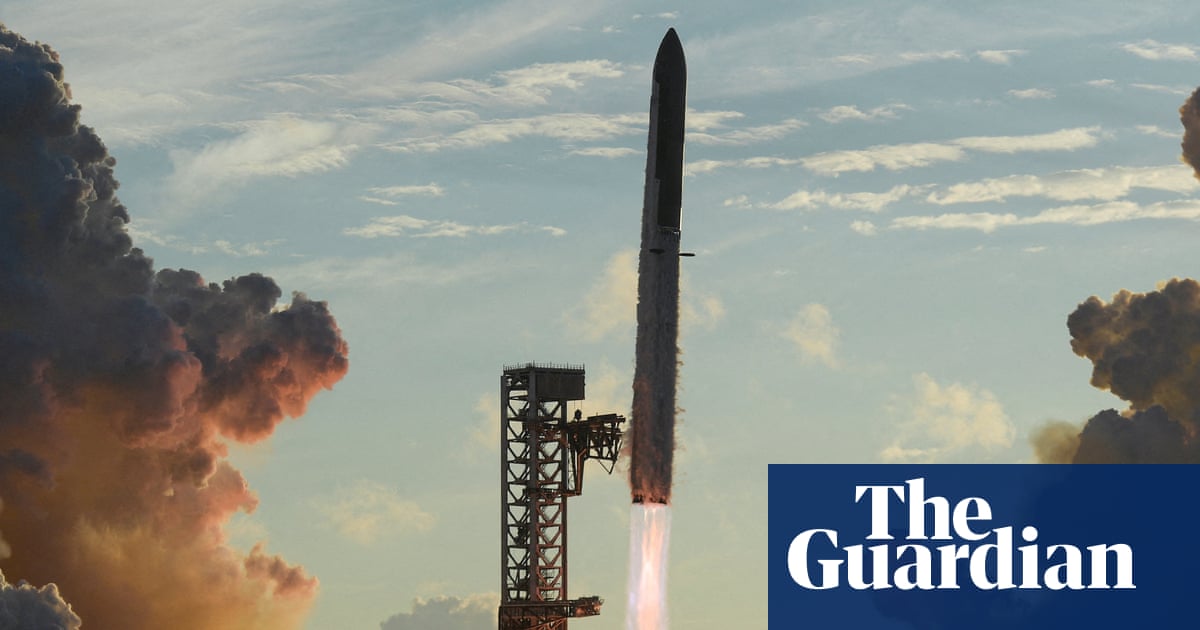
The Architecture of Ambition: Forging a Unified Tech Empire
The contemplation of Elon Musk plotting a mega-merger between Tesla and SpaceX is far more than mere corporate maneuvering; it represents an audacious, almost sublime vision for what humanity can achieve when engineering ambition is fully unified. Imagine the synergy at the core of this idea: taking the ground-level mastery of electric vehicles and robotics honed by Tesla and fusing it with the limitless reach of space exploration and global satellite networks provided by SpaceX. This isn't about incremental upgrades; it signals a tectonic shift in how we conceptualize industry boundaries, aiming to build an ecosystem where terrestrial innovation directly fuels deep space endeavors.
Musk frames this potential union not as a simple business transaction but as a necessary step toward realizing his ultimate, grand vision: constructing a self-sustaining city on Mars. The merger promises to weave together Tesla’s expertise in advanced chips and robotics with SpaceX’s infrastructure—encompassing rockets, massive data centers, and global communications satellites. This integration aims to create a powerhouse where ground-level innovation feeds directly into space-based capabilities, transforming the abstract dream of Martian colonization into a concrete engineering project supported by integrated resources from both entities.
The Mechanism: Synergy Across Disciplines
The core motivation driving this desire for consolidation is rooted in unlocking synergistic potential across critical technological domains. Musk identifies convergence points in areas like artificial intelligence, advanced chip development, and software integration as the essential keys to achieving exponential growth. By merging, he seeks to create a powerhouse where terrestrial innovation directly supports space-based capabilities, moving beyond separate ventures into a truly integrated technological empire.
This vision is deeply personal, intrinsically tied to Musk’s long-term mission of colonizing Mars. The merger is positioned as the essential infrastructure required for such an endeavor, suggesting that advancements made on Earth must be seamlessly woven into the framework of space colonization. This transforms the abstract goal of reaching Mars into a tangible engineering project supported by integrated resources—rockets, data networks, and advanced manufacturing capabilities—from both companies.
What It Means for the Future
Why should the everyday reader pay attention to this high-stakes corporate chess game? Because these decisions ripple outward, touching everything from the immediate future of transportation to the very definition of human expansion. If this merger succeeds, it signals a new era where technological progress is no longer siloed; it becomes deeply integrated. It suggests that the challenges we face—whether environmental, logistical, or existential—will be tackled with a scale and scope previously unimaginable.
For consumers, the immediate impact might seem distant, as experts suggest that in the near term, vehicle changes may not be drastic. However, the underlying technological infusion promised by a merged entity could eventually translate into vehicles that are fundamentally smarter, safer, and more capable than anything seen today. The focus shifts from the individual car to systemic capability, reminding us that the most profound advancements occur when seemingly unrelated fields—like automotive engineering and aerospace science—are forced into a shared language.
Ultimately, this story serves as a powerful lens through which to view the current era of technological acceleration. It captures the relentless human drive to push boundaries, demonstrating how visionary ambition attempts to redefine the very limits of what is possible. Whether this specific merger materializes or stalls in committee discussions, it remains a compelling narrative about the immense power concentrated in the hands of those who can command both the ground and the cosmos.
“Both SpaceX and Tesla have formed special committees to discuss this idea at the request of shareholders and these special committees are, uh, consist of independent directors,” Musk said on the call.
“I think some people out there assume that a SpaceX and Tesla merger is a certainty and I think that would be overstating it,” Musk said, adding it would require shareholder approvals and special committees at both firms.
Musk described himself as a 'conflicted party' as the chief executive of both Tesla and SpaceX.
Want our sources?
Enter your email and we’ll send the claim-linked sources used for this article.
We use this address only to send this source list.