
Interesting Things
Putin Calls Elon Musk a 'Real Genius' Over Satellite Talks
When Vladimir Putin hailed Elon Musk as a 'real genius' after satellite talks with SpaceX boss, it underscored the intense geopolitical race for control over the digital sky. The conversation revealed a delicate dance between technological rivalry and necessary diplomatic caution as both nations vie to establish dominance in orbital communications.
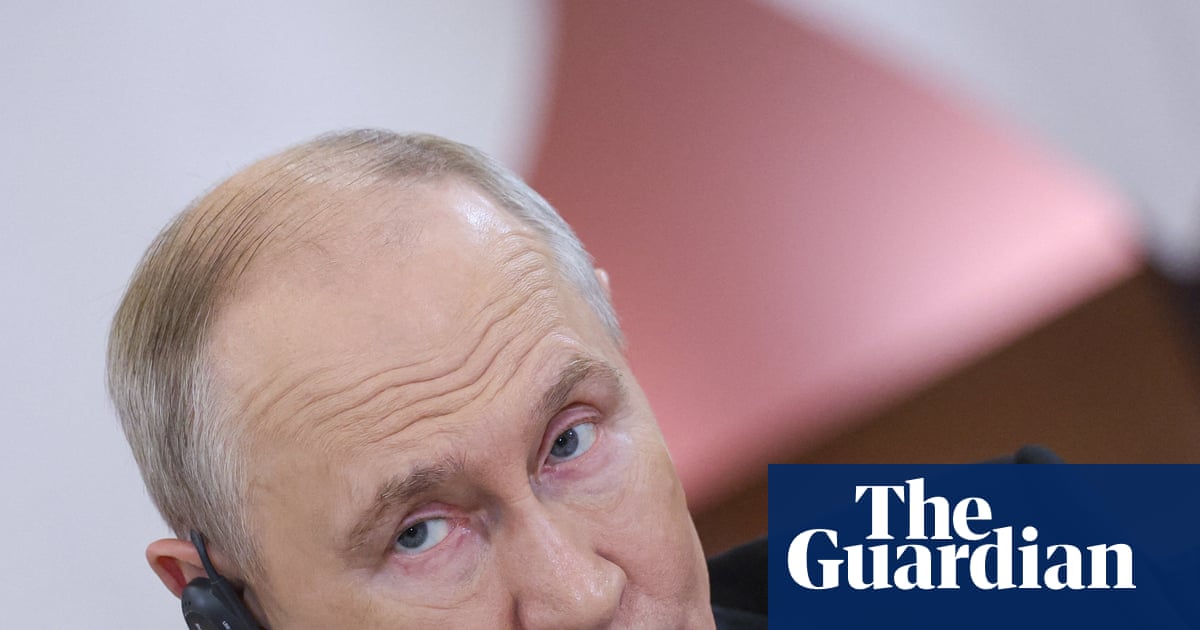
The Genius Label: Putin’s Praise for Elon Musk
The world of high-stakes geopolitics often feels like a theater where grand pronouncements are exchanged, but recently, a comment from Vladimir Putin offered something far more personal and resonant: he called Elon Musk a "real genius." This wasn't just idle chatter; it emerged from discussions surrounding the burgeoning race in satellite technology, highlighting how deeply intertwined technological ambition is with international power dynamics. The context for this praise was set against the backdrop of Russia’s own ambitious efforts to establish its own orbital communications network, Rassvet, and the established dominance of SpaceX’s Starlink constellation.
Putin made these remarks during a summit in Moscow involving African leaders, where the conversation naturally turned to space technology. He positioned Musk not merely as a businessman, but as a visionary whose capabilities are essential for navigating the modern technological landscape. This acknowledgment suggests that even amidst geopolitical friction, there is a shared recognition of transformative capability. For a reader interested in how technological titans influence global strategy, this exchange serves as a potent reminder that genius, whether applied to rockets or statecraft, remains a central currency in international relations.
The Orbital Tug-of-War: Starlink vs. Rassvet
The core of the interaction revolved around the competition—and necessary coordination—between SpaceX’s Starlink system and Russia's developing Rassvet constellation. Putin explicitly stressed the importance of maintaining "close contact" with American partners, including Musk, to ensure that these two orbital systems do not interfere with one another. This dynamic illustrates a fascinating tension: technological advancement is accelerating rapidly, but so is the political maneuvering required to manage that acceleration without causing catastrophic collision or disruption.
The scale of this competition is staggering. SpaceX boasts an estimated 13,000 Starlink satellites already in orbit, providing high-speed internet services globally. In contrast, Russia’s Rassvet currently has only a couple of dozen satellites operational, marking only the "first steps" in its own endeavor. This disparity underscores Musk's perceived lead in deploying scalable, global infrastructure. The need for dialogue between Moscow and Washington regarding these orbital assets reveals that even in moments of apparent rivalry, there is a pragmatic recognition that shared space demands mutual respect to maintain order.
The Stakes of Connectivity: Ukraine’s Reliance
The technological competition between the superpowers takes on immediate, visceral significance when viewed through the lens of the ongoing conflict in Ukraine. Ukraine has become heavily reliant on Starlink connectivity to sustain its defense efforts, using it for coordination and real-time targeting capabilities. This reliance makes the stability of that network a critical strategic point, not just a technical one.
The situation became acutely tense when Ukrainian military operations faced connectivity problems, which Musk later admitted SpaceX had intentionally restricted. This incident brought the underlying tension between commercial use and military necessity into sharp focus. While Starlink allows for coordination in remote areas, its civilian nature imposes restrictions that complicate deep strikes. The fact that Ukraine is using both Starlink (for coordination) and Starshield (a more secure system for drone operators) highlights a complex technological patchwork being deployed under extreme duress.
Musk’s Stance on Military Use
Elon Musk has been vocal about the boundaries of his technology, drawing a line between civilian service and military application. He has stated clearly that using commercial Starlink for unequivocally offensive strikes is prohibited, emphasizing that such actions violate terms of service. This stance reflects a broader philosophical debate about the role of private technology companies in warfare.
Musk’s comments suggest a belief that while his technology can be instrumental in defense—helping Ukraine defend itself—it must operate within defined parameters. The tension arises because military needs often push against commercial limitations, creating friction between the technological provider and the operational user. This dynamic is further complicated by diplomatic maneuvers, such as US President Trump’s actions regarding sanctions and diesel imports, which illustrate how technology intersects with immediate political expediency on the battlefield.
The Mega-Merger: A Vision for the Future
Beyond the geopolitical maneuvering in space, Musk’s ambition extends into a monumental corporate restructuring: the potential merger of Tesla and SpaceX. This move is not merely about combining two successful companies; it represents an attempt to consolidate control over the future trajectory of advanced technology, particularly in areas like artificial intelligence and Mars colonization. The prospect of merging these entities—combining Tesla’s automotive and robotics prowess with SpaceX’s aerospace and data capabilities—is staggering.
Analysts suggest that this union would grant Musk greater voting control over his vast holdings, solidifying his vision for a self-sustaining future. While the immediate impact on everyday consumers might seem minimal, experts speculate that the true prize lies in the synergistic potential: integrating AI infrastructure with vehicle technology could lead to radically new capabilities. This move positions Musk closer to his ultimate life mission of colonizing Mars, suggesting that the genius being lauded by Putin is not just in launching satellites, but in architecting an entirely new technological civilization.
Why This Matters to You
Why should a reader outside the tech sphere care about satellite politics and trillion-dollar mergers? Because these are not abstract concepts; they are the mechanisms shaping our immediate reality. The exchange between Putin and Musk is a microcosm of how global power is currently being negotiated—through shared technological ambition, even when political interests diverge. Furthermore, the fate of Ukraine’s defense hinges on the reliability of these very systems. When we see brilliant minds like Musk navigating complex international waters, it reminds us that innovation is inseparable from consequence. The decisions made in orbit today will determine the connectivity and security landscape of tomorrow, making this story less about rockets and more about the architecture of our shared future.
"Elon Musk is a 'real genius', Putin says after talks with SpaceX boss"
"He’s a genius, a real genius," Putin said of Musk, according to a translation of his remarks by the BBC.
Want our sources?
Enter your email and we’ll send the claim-linked sources used for this article.
We use this address only to send this source list.