
Lifestyle
Scroll Through Makeovers: Why Bedtime Videos Are the New Home Refresh
When the pressure to renovate is too high, many are turning to scrolling through home makeover videos for low-stakes aesthetic inspiration. This trend reflects a deeper cultural pivot toward intentional living, where decorating becomes an act of self-care aimed at creating a mentally restorative space.
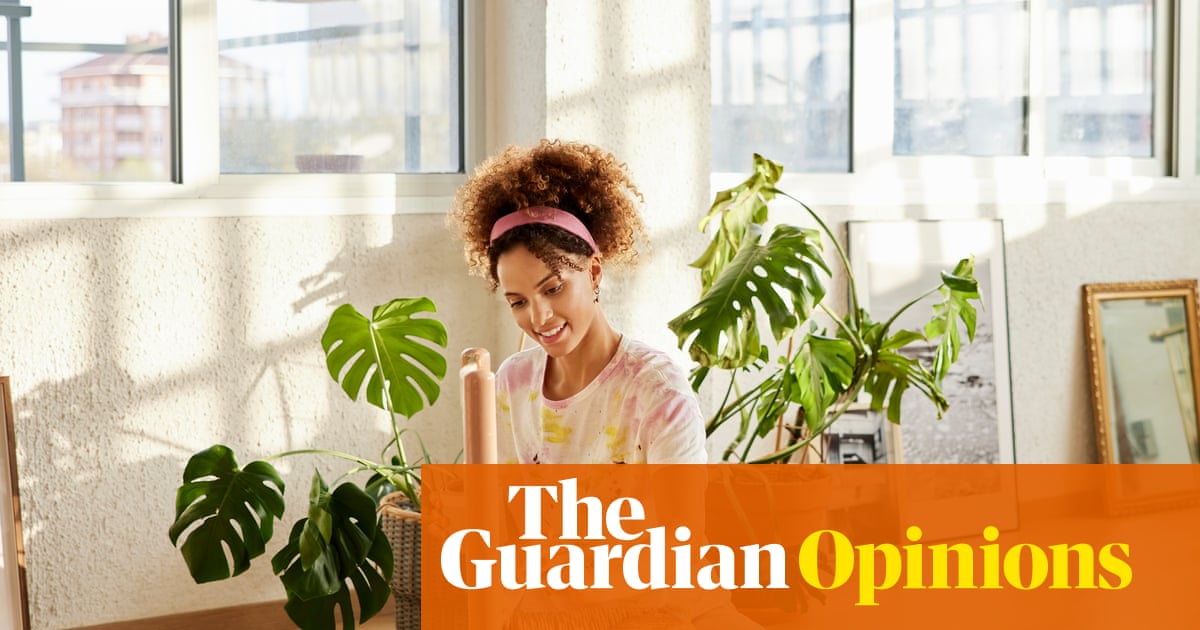
The Slow Scroll: Redefining Home Refresh
In a world that constantly demands speed, the urge to scroll through home makeover videos has become an unexpected ritual for unwinding. It’s not about tackling massive renovations; it’s about embracing the slow, thoughtful design tweaks that feel restorative when you’re winding down for the night. This trend speaks to a desire for control and aesthetic refinement without the associated stress of a full-scale overhaul. As one freelance journalist notes, this scrolling is part of a form of 'revenge bedtime procrastination'—a way to carve out silence for personal projects.
These videos showcase how people take existing elements—old furniture, familiar spaces—and infuse them with new influences, encouraging trial and error in a low-stakes environment. The speed of these transformations, often manufactured by television producers, highlights the tension inherent in quick fixes. In contrast, the author finds solace in projects that take years to complete, allowing for deep consideration of every design decision, much like the slow evolution seen in long-term renter designs.
The movement is increasingly focused on cultivating a space that mirrors internal feelings. Interior designers argue that home decorating is deeply personal; it’s an extension of self. The goal isn't to achieve magazine perfection but to create a sanctuary—a place where one feels safe, happy, and completely free. This connection between physical space and mental state underscores why this pursuit matters now more than ever in our fast-paced culture. If you feel safe and free in your home, that is the ultimate victory.
Anchoring the Chaos: The Power of Found Objects
When faced with the daunting task of decorating, many readers find themselves paralyzed by the sheer scope of what needs to be done. Experts advise starting with the big visual anchors—the rug, the sofa, or the paint color—because these elements fundamentally dictate the room's mood and feel. A rug, in particular, is highlighted as a crucial element because it acts as an anchor, tying disparate pieces together into a cohesive whole, helping to define the entire color scheme of a space.
Beyond large statements, the process encourages personal curation. Designers suggest incorporating items that carry genuine meaning—things you’ve made, thrifted finds, or inherited pieces. This layering approach ensures that the final look possesses 'soul,' moving it away from looking like a temporary showroom and toward feeling lived-in. The emphasis is on mixing eras and colors rather than blindly following fleeting trends, which helps keep the space evolving organically over time.
This philosophy encourages readers to embrace change without fear of failure. If a design decision doesn't land right, the advice is simple: change it. It’s not a catastrophe; it’s just part of the process. This permission to iterate—to 'decorate, not do brain surgery'—is perhaps the most vital takeaway for anyone feeling overwhelmed by their living environment. It reminds us that home is meant to be a place of comfort and expression, not a museum piece waiting for perfection.
Beyond Aesthetics: The Wellness Connection
The pursuit of a beautiful home is intrinsically linked to personal wellness. Research suggests that the physical spaces we inhabit have a profound impact on our mental wellbeing and productivity. A cluttered environment, for instance, has been shown to increase stress and anxiety levels. Therefore, decorating becomes a form of self-care, an active step toward creating an environment conducive to peace and focus rather than one that drains energy. Loving your home is thus framed as an extension of loving yourself.
Furthermore, the physical body itself plays a role in this dynamic. Discussions around physical comfort—such as managing hip tension or prioritizing movement—reinforce the idea that holistic well-being encompasses both internal mental states and external surroundings. Whether it’s gentle stretching or ensuring proper support, these actions contribute to a sense of being grounded and capable within one's environment. The message is clear: tending to your physical comfort helps reduce sensitivity to stress.
Ultimately, the journey through home design is about finding harmony between function, emotion, and aesthetics. It’s about identifying how a space needs to *function*—whether it requires storage, comfort, or a workspace—and then aligning the visual elements with the desired feeling. This intentional approach transforms decorating from a stressful obligation into a deeply personal act of self-expression and care, making the process itself rewarding regardless of the final outcome.
Practical Style: Comfort as a Statement
While the focus is on large-scale design, practical style choices—like choosing comfortable materials and silhouettes—remain central. The cultural shift toward intentional living values tactile comfort. Items like the cozy cardigan exemplify this trend, reflecting a broader move away from rigid formality toward pieces that prioritize ease and sensory pleasure. This preference for comfort isn't just about aesthetics; it’s about prioritizing how we interact with our daily environment.
In fashion, this translates into silhouettes that allow for ease of movement and expression. The emergence of items like the bra top reflects a broader desire for comfortable yet expressive wearability, blending functionality with self-expression in everyday attire. These choices signal a cultural acceptance that clothing should serve both aesthetic goals and physical needs without compromise. It’s about finding pieces that feel inherently right for your body and lifestyle, rather than conforming to external pressures.
The takeaway for readers is to prioritize what makes them feel good. Whether it's selecting a durable, tactile material for a throw blanket or choosing footwear that offers genuine support, these small decisions accumulate into a larger narrative about how one chooses to inhabit their space and present themselves to the world. It’s about making choices that align with an intentional, mindful lifestyle, turning everyday necessities into statements of personal taste and well-being.
A Note on Physicality
The conversation around physical comfort is vital. Experts point out that while stress can manifest as muscle tension—often felt in areas like the shoulders or pelvic floor—the link to specific areas like the hips isn't definitively proven by trauma alone. However, musculoskeletal discomfort is often exacerbated by inactivity and poor sleep, which are common companions to psychological strain. The advice remains practical: movement is lotion; gentle stretching and aerobic exercise help release tension.
For those experiencing persistent discomfort, the guidance is to move with intention. Strength training, focusing on movements like clamshells or 'monster walks,' can enhance the hip's ability to tolerate use and improve bone density, offering a tangible way to invest in long-term physical resilience. When movement alone isn't enough, seeking a clinician who examines the whole body—looking at stress levels alongside physical symptoms—is the next sensible step. This holistic view ensures that physical concerns are addressed within the context of overall health.
Ultimately, whether you are scrolling through design inspiration or stretching after a long day, the core message is about mindful engagement. It’s about recognizing that your environment and your body are interconnected systems. By making small, intentional choices—whether it's choosing a calming color palette or prioritizing movement—you actively shape an experience of living that supports both your mental peace and your physical vitality. This is how we build spaces and lives that truly feel like home.
I’m not talking about frenetic whole-house renovations and stripping wallpaper but the slow, thoughtful design tweaks that are perfect for bedtime viewing.
The goal should be to create a space you love, and that will look different for each person.
Want our sources?
Enter your email and we’ll send the claim-linked sources used for this article.
We use this address only to send this source list.