
Music
Jack Antonoff: Why He Prefers the Public Stage Over Private Escape
Music producer Jack Antonoff reflects on the necessity of public confrontation over private escape while navigating survivor’s guilt and intense creative demands. The piece explores how this internal pressure shapes his work, contrasting personal turmoil with the expansive, often chaotic, sonic landscapes of contemporary music.
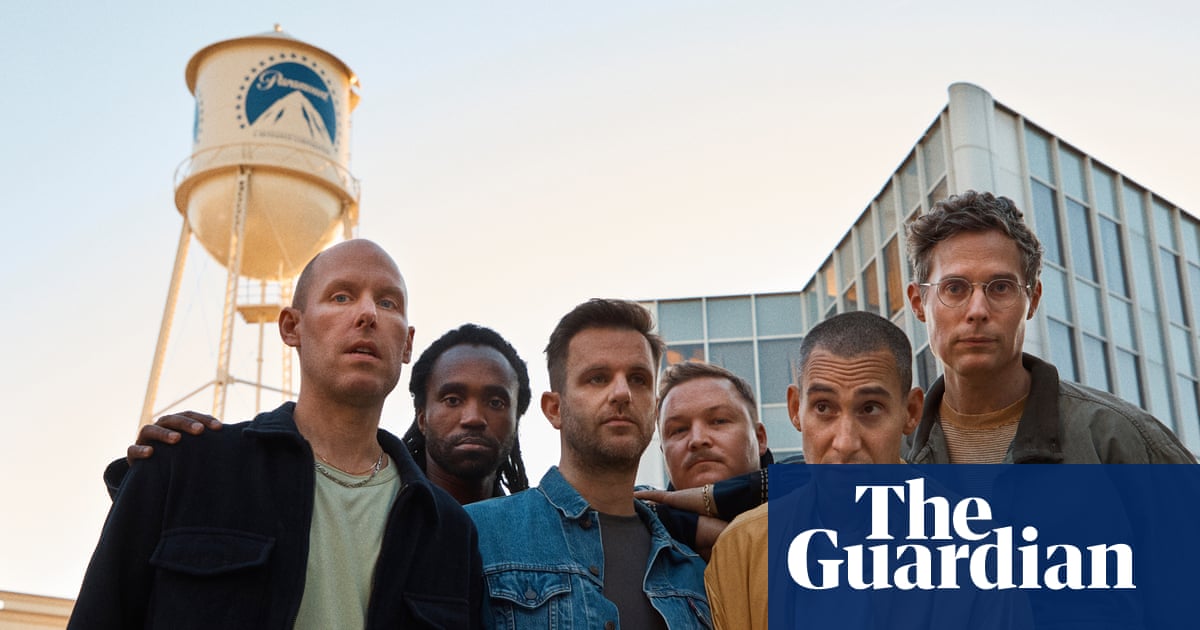
The Public Stage as Sanctuary
The tension between private turmoil and public declaration forms a potent cultural nerve in contemporary music, a theme explored with stark honesty by producer Jack Antonoff. In an interview, Antonoff articulated a profound philosophy: “I’d rather live through something publicly than escape it privately.” This sentiment cuts to the core of the modern artist's dilemma—the struggle to process intense personal experiences while navigating the demands of a public career. It suggests a deliberate choice to confront pain head-on, transforming private suffering into a shared experience, thereby mitigating its isolating effects.
This willingness to expose vulnerability is echoed across the industry, though through different lenses. Antonoff’s perspective contrasts sharply with the manufactured distance often demanded by celebrity culture. He speaks of an intense internal need to understand himself, noting, “There’s this intense need to figure me out,” a feeling he struggles to pinpoint. This introspection is layered over a career defined by high-stakes production, where he navigates the delicate balance between crafting deeply personal songs and operating as a powerful architect of mass appeal.
The Architecture of Personal Sound
Antonoff’s creative output reflects this complex internal landscape. His work with Bleachers has consistently been characterized by strikingly personal and frank songwriting, aiming to document the emotional wreckage of his life. He recounts the genesis of some of these tracks, detailing experiences that shaped their confessional tone. One song, "I Wanna Get Better," was intended as a declaration for listeners, meant “to let people know what they were in for,” depicting an anguish rooted in grief following the death of his younger sister.
The sonic texture of Bleachers’ oeuvre mirrors this emotional depth. Song titles like "I’m Ready to Move On" and "Everybody Lost Somebody" signal a continuous navigation through loss and recovery. Furthermore, the band’s narrative extends into their origin story, detailing formative experiences—traversing the US in a minivan with punk bands, experimenting with substances, and the profound influence of his sister’s illness on his parents' decision to prioritize existential concerns over trivialities. This history imbues the music with an authenticity that feels earned, moving beyond mere pop production into something deeply autobiographical.
The Producer as Cultural Steward
Beyond his own work, Antonoff occupies a unique position within the pop ecosystem, functioning as both a soulful producer and an angst-rock architect. He operates in a narrow space where he is simultaneously crafting soul-baring tracks and channeling Bruce Springsteen-influenced emotional rock. This duality positions him as someone who refuses to be pigeonholed, insisting that neither lane takes precedence over the other in his career.
This multifaceted role has made him an incredibly influential figure, collaborating with a vast array of talent, including Taylor Swift, Sabrina Carpenter, Lorde, Lana Del Rey, St Vincent, and Kendrick Lamar. He acknowledges this position, noting he is part of a small group of individuals who manage to inhabit both worlds—songwriters/performers who care deeply about others' work, and producers who seize the moment. This capacity to guide massive cultural moments suggests that Antonoff’s influence extends far beyond his own studio, shaping the very texture of contemporary popular music.
Sonic Extremes and Historical Echoes
The broader musical landscape reveals equally dramatic shifts, moving from intensely personal confessionals to radical sonic explorations. The experimental folk scene, for instance, offers a counterpoint to polished pop production. Groups like Shovel Dance Collective are engaging in a chaotic collage approach, taking traditional English music and twisting it into something ecstatic and dissonant. Their work moves unpredictably between lo-fi recordings and surging racket, creating an experience that is both disorienting and strangely euphoric.
This experimental impulse can be seen as a search for connection within historical turbulence. By repurposing centuries-old material, these artists tap into a feeling of a shared, albeit violent, national history. This approach finds resonance in the broader movement where folk music slips its moorings during times of crisis, offering a reaffirmation that cultural identity is inherently turbulent and strange. The music becomes a visceral response to the world’s ongoing strangeness, whether through abrasive noise or deeply layered sonic detail.
‘I’d rather live through something publicly than escape it privately’: Jack Antonoff on survivor’s guilt and still singing love songs after his breakup
Want our sources?
Enter your email and we’ll send the claim-linked sources used for this article.
We use this address only to send this source list.