
Interesting Things
The Tiny Alga That Unlocked the Secrets of the Human Brain
A microscopic alga has provided scientists with a revolutionary tool to map the neural circuits controlling memory and emotion, opening new doors for treating neurological diseases.
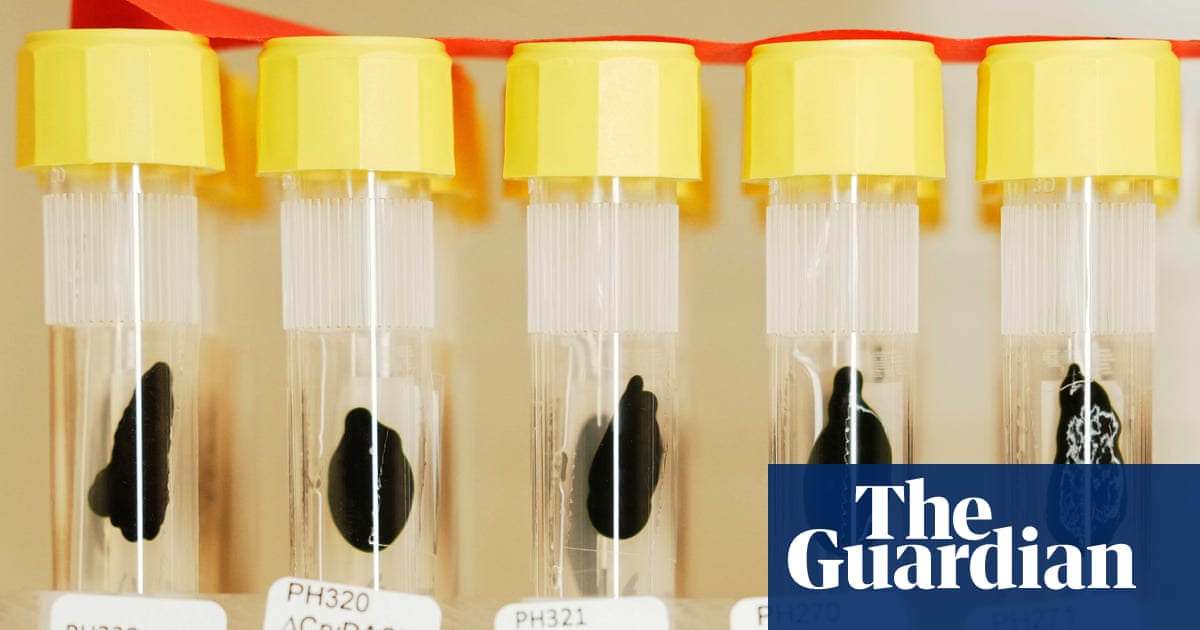
The Alga's Light Switch: Unlocking the Brain’s Wiring
Imagine a microscopic world where a single cell, an alga, acts like a tiny, living light switch. This is the astonishing reality of *Chlamydomonas*, the humble one-celled organism that has captivated scientists and earned them a Nobel Prize. This isn't just some abstract biology; it’s a blueprint for understanding the very mechanics of consciousness and action in our brains. The alga achieves this by possessing a light-sensing protein, channelrhodopsin, which functions remarkably like the rhodopsin found in our own eyes. When light hits this protein, it triggers an immediate electrical cascade—ions rush into the cell, sending a lightning-fast signal that tells the alga to move with its hair-like motor.
The real magic happens when researchers take this natural mechanism and apply it to complex biological systems. They managed to transfer the gene responsible for this light-sensing ability into living animal brain cells. By using flashes of light, they gained an unprecedented ability to switch individual neurons on or off. This technique has allowed them to map out the precise circuits within the brain that govern everything from basic movements and waking states to complex feelings and memories.
The implications stretch far beyond the lab bench. This work is now being actively explored to tackle some of humanity's most pressing challenges. Researchers are using this tool to investigate the underlying mechanisms of debilitating conditions like depression, anxiety, and Parkinson’s disease. More excitingly, the research is also being tested with the potential to help restore vision in individuals affected by retinal diseases. At its core, this discovery shows us that understanding the simplest biological machinery can unlock the deepest secrets of human experience.
Emotion as a Biological Driver
The study doesn't just reveal where the brain circuits are; it hints at *why* those circuits operate the way they do. The research into orangutans further illuminates this connection between emotion and learning. Scientists found that these apes were more likely to choose food associated with the sound of laughter, suggesting that positive emotions significantly influence how animals learn and make decisions. This finding echoes a broader theme: our emotional state isn't just a byproduct of our thoughts; it actively shapes what we value and how we process information.
This concept connects beautifully with the alga’s mechanism. The researchers noted that the context—the emotional state of the animal at the moment of learning—can carry over into memory formation. If an animal is anxious while learning a task, for instance, it might prioritize different types of information than if it were in a positive state. This suggests that our current understanding of cognition needs to integrate the role of immediate emotional context, not just the final outcome.
By studying how this simple organism reacts to light and how its genetic code interfaces with neural activity, scientists are building a toolkit to decode the complex symphony of human experience. It’s a reminder that some of the most profound discoveries often come from looking at the smallest components of life, revealing universal principles that govern everything from cellular movement to the architecture of our minds. The humble alga has become a powerful lens through which we view ourselves.
Future Frontiers in Neuroscience
Looking ahead, the application of this light-based signaling system promises revolutionary advances in neuroscience. By being able to precisely activate and deactivate neural pathways, researchers are moving closer to developing targeted therapies for neurological disorders. This level of precision could mean a future where treatments are tailored not just to symptoms, but to the specific faulty circuits causing the ailment. The potential to use this technology to restore lost sensory functions, as hinted at in related research on gene therapy, is a tantalizing prospect.
The journey from a single-celled alga to mapping human behavior is a powerful testament to the power of curiosity and interdisciplinary science. It demonstrates that sometimes the most transformative breakthroughs are found not in massive leaps, but in meticulously observing the subtle interactions between fundamental biological components. The story of *Chlamydomonas* reminds us that wonder isn't just about grand discoveries; it’s about seeing the profound significance hidden within the smallest parts of the world around us.
Why This Matters Now
Why should a reader care about an alga? Because this research is fundamentally reshaping our understanding of what it means to be conscious. It moves the conversation beyond simple stimulus-response models and into the realm of dynamic, emotionally-informed neural networks. For anyone interested in health, psychology, or the future of medicine, this work provides a concrete example of how fundamental biological discoveries can translate directly into tangible improvements for human life—from treating debilitating diseases to potentially restoring sight.
It serves as a powerful reminder that the most profound answers often lie in unexpected places. The story of *Chlamydomonas* is a vibrant illustration of momentum in science: a tiny organism, overlooked for too long, has become an indispensable key to unlocking the mysteries of the human mind. It fuels the curiosity that drives us to look closer, to ask 'what if,' and to pursue knowledge across every conceivable scale of existence. This story isn't just about biology; it’s about the relentless pursuit of understanding life itself.
How It Happened: A Tale of Light and Genes
The process was a careful choreography between observation and genetic engineering. First, scientists observed how *Chlamydomonas* uses light to direct its movement via channelrhodopsin. Second, they engineered the system by inserting this gene into animal cells. Third, they developed the methodology to use controlled light pulses to activate or deactivate specific neurons in a living system. This intricate process—from observing a microscopic organism to manipulating complex neural networks—is how we bridged the gap between simple cellular biology and sophisticated neurological mapping.
This 'how' is a masterclass in translational science. It shows that fundamental biological principles, once understood at a basic level, can be repurposed to solve incredibly complex problems. The momentum here is clear: every new tool developed, like this light-based neural switch, opens up entirely new avenues for investigating conditions ranging from neurological disorders to the very nature of learning itself. It’s a dynamic process where observation fuels engineering, and engineering unlocks profound biological insight.
‘What our work is showing is that it’s also about the state of the animal when they are learning that association – the context, the emotional states, what you’re feeling, what you’re thinking about – can also influence and can carry over in how you remember these things that you’ve learned.’
Want our sources?
Enter your email and we’ll send the claim-linked sources used for this article.
We use this address only to send this source list.