
Music
Neil Young's Second Song: A Meditation on Time and Artistic Evolution
Neil Young's new album, *Second Song*, serves as a profound meditation on the passage of time, reflecting on his long career and personal journey through reflective musical expression.
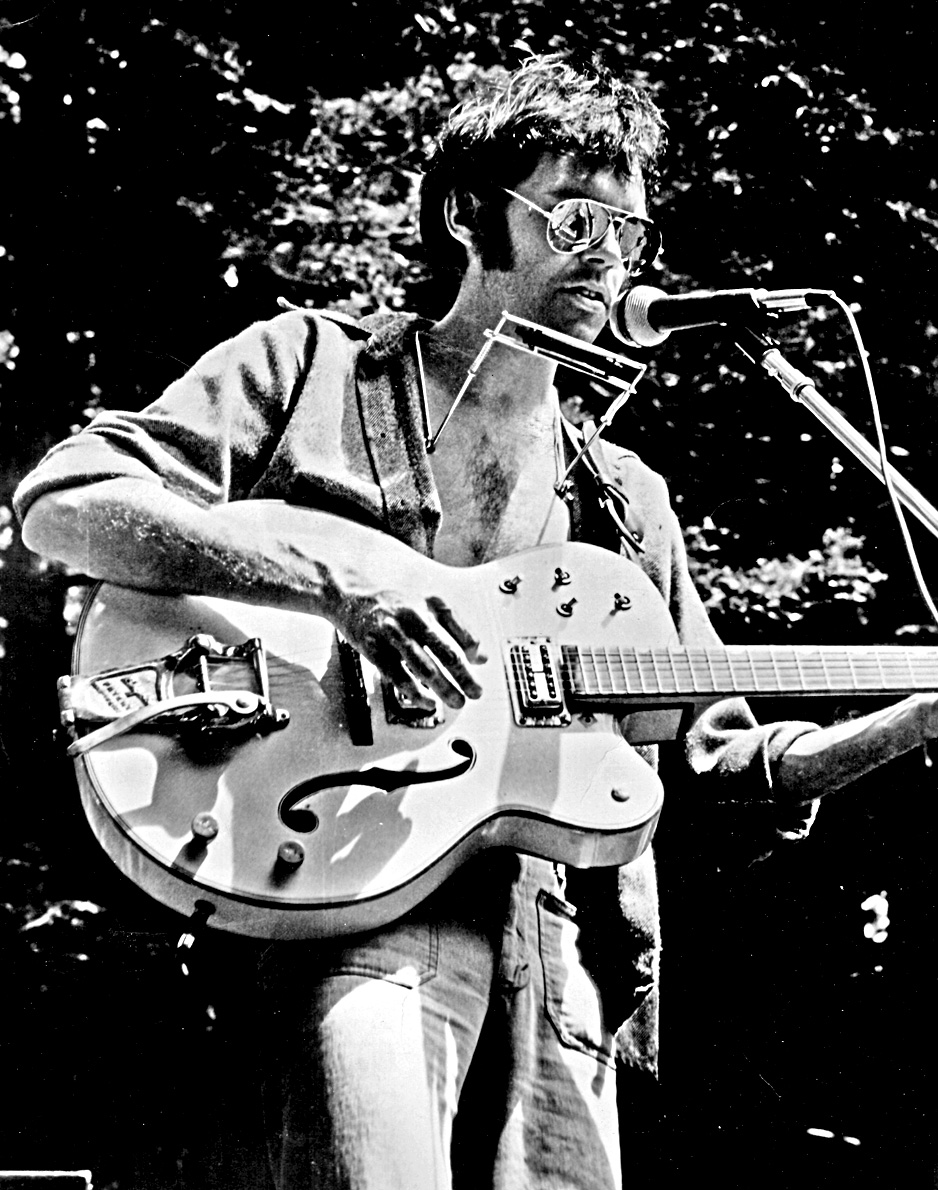
The Meditation on Time in *Second Song*
Neil Young is currently reflecting on the passage of time through his latest musical offering, the album *Second Song*. This reflection forms the core theme of the work, positioning it not just as a collection of songs, but as an artistic meditation on the journey of a long career and personal experience. In an interview with NPR, Young discussed this reflective aspect of his 50th studio album, framing the music as a contemplation on time itself, which resonates deeply with listeners navigating their own lives.
The album *Second Song* acts as a retrospective, allowing Young to explore themes that emerge from the passage of time—the evolution of his sound, the weight of experience, and the continuous process of creation. This introspection elevates the music beyond simple entertainment, inviting listeners into a space where personal history and musical expression intertwine seamlessly. It suggests that the art is born from an ongoing dialogue with the past and the present moment, rather than being a static record of events.
This meditative approach contrasts with the often high-energy nature of rock music, offering a slower, more nuanced view of experience. By focusing on the flow of time, Young invites an audience to slow down and appreciate the texture woven into each track, acknowledging that life, like music, is a continuous unfolding process. This focus on temporal awareness gives *Second Song* a profound resonance, suggesting that true artistic depth lies in grappling with the ephemeral nature of existence.
Artistic Evolution and Personal Journey
The themes explored within *Second Song* are intrinsically linked to Neil Young's personal trajectory. As an artist who has navigated decades of change, the album serves as a chronicle of that evolution. The music reflects a journey through different phases of his life, suggesting a process of refinement and acceptance rather than a simple documentation of events. This narrative arc allows the listener to witness the transformation inherent in artistic maturity and personal growth.
The sound of *Second Song* itself embodies this evolution. It balances the raw, visceral energy of his earlier work with a more considered, nuanced approach that acknowledges the weight of experience. This balance is crucial; it demonstrates an artist moving through different emotional landscapes while maintaining an authentic voice. The music doesn't shy away from complexity, instead embracing the multifaceted nature of human experience as reflected in the passage of time. It’s an invitation to recognize the beauty in the ongoing process of becoming.
This evolution is further illuminated by Young’s broader artistic context, which includes his engagement with various musical influences and the pressures of the industry. The album suggests a commitment to authenticity, prioritizing genuine feeling over fleeting trends. This commitment to internal truth, even amidst public scrutiny, is what gives *Second Song* its enduring power—it speaks to a universal human need to process change and find meaning within it, regardless of external pressures.
The Sound of Reflection
Musically, the album is characterized by a contemplative atmosphere that allows the melodies and textures to breathe. The sonic landscape of *Second Song* supports the thematic focus on time, employing arrangements that feel both expansive and intimate. This careful construction ensures that the emotional weight of the subject matter is carried by the music itself, creating an immersive experience for the listener who seeks depth in their auditory engagement. The sound is one of quiet contemplation layered with the echoes of a rich life lived.
The musical choices demonstrate a sophisticated understanding of mood. The sonic palette employed in *Second Song* allows the listener to inhabit the feeling of reflection, moving through moods that mirror the complexities of memory and forward-looking thought. It’s an auditory experience where the rhythm and melody work in tandem with the lyrical content to create a cohesive whole. This careful handling of sound underscores the idea that introspection can be expressed through powerful, evocative musical language.
Ultimately, *Second Song* serves as a compelling statement on endurance and perspective. It reminds us that time shapes everything, and that within that flow, there is space for profound reflection. For listeners, it offers a chance to pause amidst the noise of modern life and engage with the fundamental human experience of moving through time, finding solace in the music’s steady, enduring rhythm and thoughtful melody. It is an invitation to find one's own place within the continuous flow of existence.
Context in the Music Landscape
While *Second Song* is deeply personal, it exists within a broader musical landscape that values authenticity and depth. It stands as a testament to an artist continuing to evolve while remaining rooted in a powerful, recognizable style. This positioning allows Young to connect with audiences who appreciate music that carries the weight of lived experience, rather than chasing ephemeral trends. The album’s success lies in its ability to bridge personal introspection with universal themes of time and memory.
This artistic stance positions Neil Young as an enduring figure whose work continues to matter by engaging with timeless concerns through a contemporary lens. It speaks to the enduring power of music to process the complexities of life, offering a space for vulnerability and wisdom. The album’s reception underscores a shared cultural appreciation for art that confronts the realities of existence, making it relevant to a wider audience seeking depth in their entertainment choices.
In a musical world often driven by immediate gratification, *Second Song* offers a necessary counterpoint—a space for patience and deep listening. It reminds us that some of the most enduring art is found not in the fleeting moment, but in the sustained contemplation of experience. This commitment to substance over surface ensures that Neil Young’s latest work remains a vital touchstone for those who seek music with lasting resonance and thoughtful depth. It is an invitation to slow down and truly hear the story unfolding within the notes.
Critical Reception
The critical engagement with *Second Song* has focused on its reflective quality and Neil Young’s continued artistic command. Reviewers have noted the album's ability to capture a sense of mid-life contemplation, acknowledging the maturity woven into the songwriting. The reception highlights how effectively Young channels his personal journey into a cohesive and emotionally resonant body of work that speaks to universal human concerns about time and memory. This critical consensus reinforces the album’s status as a significant artistic statement.
The critical discourse surrounding the album emphasizes the depth achieved by integrating personal narrative with musical craft. It is seen as an achievement in balancing raw feeling with refined execution, demonstrating that profound introspection can translate into universally accessible and deeply moving art. The critical praise stems from recognizing the vulnerability inherent in exploring themes of time and memory through a distinctly Young lens, validating the album’s place within the canon of influential rock songwriting.
The reception confirms that *Second Song* successfully navigates the tension between personal vulnerability and artistic strength. It is recognized as an album where the artist has managed to articulate complex emotional states through sound, offering listeners a space for shared contemplation on the nature of time and endurance in a rapidly changing world. This critical validation solidifies the album’s impact as a meaningful contribution to contemporary music culture, inviting sustained engagement from its audience.
On new album 'Second Song,' Neil Young meditates on the passage of time
Want our sources?
Enter your email and we’ll send the claim-linked sources used for this article.
We use this address only to send this source list.