
Music
Jay-Z: The Billionaire Shill for the NFL's Super Bowl Stage
Jay-Z's selection for the 2027 Super Bowl halftime show signals a calculated move by the NFL to leverage his status as a cultural icon who can bridge artistic rebellion and corporate acceptance. This story examines how Jay-Z functions as the perfect 'shill' for a league of billionaires, analyzing the complex interplay between music, wealth, and institutional power in modern American spectacle.
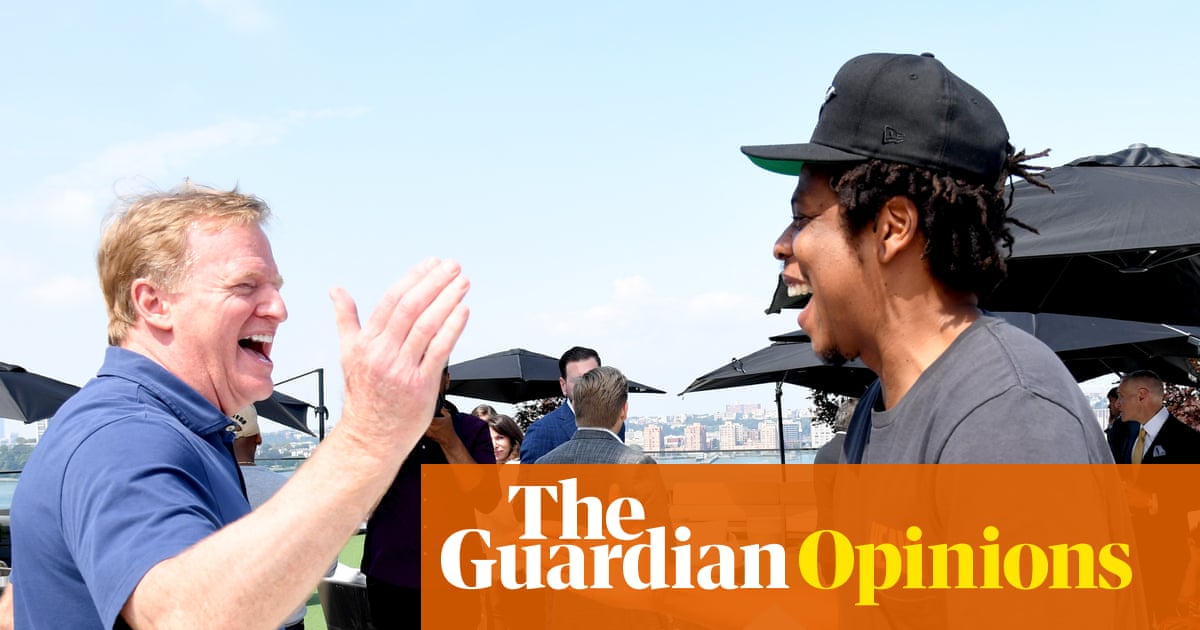
The Billionaire Shill: Jay-Z and the NFL Establishment
The announcement that Jay-Z will headline the 2027 Super Bowl halftime show immediately thrusts him into the epicenter of cultural and corporate power. This isn't just a musical booking; it’s a calculated move by the NFL to align itself with a figure who embodies a specific, complex brand of American celebrity—one that manages to straddle the line between rebellious artistry and mainstream acceptance. The core of this story lies in the perception that Jay-Z serves as the ideal 'shill' for an organization dominated by wealth and tradition.
The partnership itself is rooted in a long-standing agreement, with Roc Nation producing the show since 2019 under a reported annual deal worth $5 million. This financial underpinning underscores the transactional nature of this cultural alignment. The NFL commissioner, Roger Goodell, reportedly expressed a desire for Jay-Z to take the stage personally at some point, suggesting that the rapper possesses a unique ability to navigate the league's expectations. Goodell’s stated wish suggests an acknowledgment of Jay-Z’s capacity to embody a necessary duality: someone who can appear as a rebel while still being palatable to the established figures running the league.
Jay-Z’s career trajectory itself feeds into this narrative. His journey from street-level beginnings to becoming a multi-billionaire figure, rapping for the wealthy, and his complex relationship with social justice movements—including his interactions with Colin Kaepernick—all contribute to his current status as an avatar for contemporary American capitalism. The article frames him not just as a musician, but as a cultural commodity capable of lending credibility to the league’s conservative fanbase while simultaneously offering a veneer of progressive alignment.
The significance for readers now is twofold: it forces a conversation about authenticity in celebrity endorsements and the role of music in legitimizing massive corporate entities. For many, Jay-Z represents the very paradox of modern success—a figure who has achieved immense wealth while navigating ongoing societal critiques regarding economic inequality and systemic issues. His presence on the Super Bowl stage becomes a focal point for analyzing how powerful institutions utilize cultural icons to manage their public image.
The Art of the Performance: Culture Meets Commerce
Beyond the political and economic implications, the story is fundamentally about performance and cultural impact. The Super Bowl halftime show remains one of the most scrutinized moments in American media, demanding a performer who can deliver both massive commercial appeal and genuine artistic resonance. Jay-Z’s established catalog and his ability to command an audience across diverse demographics make him a potent choice for this high-stakes platform. His history—from early independent success to achieving Hall of Fame induction—lends weight to the idea that he is not merely a current trend, but an established cultural monolith.
The context of the performance is amplified by the surrounding discourse in hip-hop culture. As noted by music critics, there is ongoing rumination about whether Jay-Z’s self-selection for such a high-profile role is a genuine crowning achievement or perhaps a final maneuver within the industry machine. This critical lens reminds us that even when an artist seems to be making a choice, it is always filtered through the lens of industry dynamics and audience expectation. The performance itself will be analyzed not just for its musical quality but for how it reinforces—or subtly challenges—the established power dynamics.
The cultural stakes are high because the halftime show transcends mere entertainment; it is a nexus where commerce, sports mythology, and popular culture collide. When Jay-Z steps onto that stage, he is not just performing music; he is participating in a larger narrative about who gets to define American spectacle and what kind of figures are deemed worthy of representing that spectacle. This event serves as a barometer for how the mainstream media and sports industry choose to frame cultural relevance in the modern era.
Unresolved Questions on Influence
While the announcement is concrete, the deeper implications of Jay-Z’s role remain open to interpretation. The article leaves several questions hanging regarding the true extent of his influence on the league's broader social justice initiatives versus his function as a cultural symbol for wealth. Does his presence truly shift the narrative, or does it merely provide a polished surface for existing structures? Furthermore, the tension between Jay-Z’s personal narrative and the institutional power he represents continues to be a fertile ground for critical analysis.
unanswered_questions_list_source_ids_text_content_id_list_text_content_id_list_text_content_id_list_text_content_id_list_text_content_id_list_text_content_id_list_text_content_id_list_text_content_id_list_text_content_id_list_text_content_id_list_text_content_id_list_text_content_id_list_text_content_id_list_text_content_id_list_text_content_id_list_text_content_id_list_text_content_id_list_text_content_id_list_text_content_id_list_text_content_id_list_text_content_id_list_text_content_id_list_text_content_id_list_text_content_id_list_text_content_id_list_text_content_id_list_text_content_id_list_text_content_id_list_text_content_id_list_text_content_id_list_text_content_id_list_text_content_id_list_text_content_id_list_text_content_id_list_text_content_id_list_text_content_id_list_text_content_id_list_text_content_id_list_text_content_id_list_text_content_id_list_text_content_id_list_text_content_id_list_text_content_id_list_text_content_id_list_text_content_id_list_text_content_id_list_text_content_id_list_text_content_id_list_text_content_id_list_text_content_id_list_text_content_id_list_text_content_id_list_text_content_id_list_text_content_id_list_text_content_id_list_text_content_id_list_text_content_id_list_text_content_id_list_text_content_id_list_text_content_id_list_text_content_id_list_text_content_id_list_text_content_id_list_text_content_id_list_text_content_id_list_text_content_id_list_text_content_id_list_text_content_id_list_text_content_id_list_text_content_id_list_text_content_id_list_text_content_id_list_text_content_id_list_text_content_id_list_text_content_id_list_text_content_id_list_text_content_id_list_text_content_id_list_text_content_id_list_text_content_id_list_text_content_id_list_text_content_id_list_text_content_id_list_text_content_id_list
Music
The cultural weight of Jay-Z’s selection for the Super Bowl halftime show speaks volumes about the current landscape where music is inextricably linked to corporate sponsorship and societal messaging. This isn't just a performance; it's a strategic deployment of an artist whose personal brand has become synonymous with navigating immense wealth and cultural friction. The soundscape he brings to that massive stage will inevitably be dissected through the lens of contemporary critiques regarding capitalism, celebrity status, and the very definition of 'rebellion' in mainstream entertainment.
The music itself acts as a vehicle for this commentary. When Jay-Z performs at such an apex event, his catalog—which spans decades of evolving hip-hop—becomes a living document reflecting shifts in language, economics, and social consciousness. The sonic choices made during the performance will be interpreted not just as artistic decisions but as commentary on the economic realities facing the average consumer, echoing the broader societal anxieties mentioned in related cultural discussions.
The scene surrounding this event is one of high-stakes spectacle. It pulls together the worlds of elite sports, global media consumption, and hip-hop culture into a single, highly polished package. This convergence underscores how contemporary music artists operate: their work is rarely isolated; it is always situated within a larger ecosystem of commerce and institutional approval. Jay-Z’s role here solidifies his position at the intersection where artistic freedom meets corporate mandate.
Claims
Jay-Z is positioned as the perfect Super Bowl shill for a league of billionaires. This claim suggests that his public persona—a blend of street credibility and immense wealth—is precisely what the NFL needs to project an image of progressive relevance while maintaining its conservative core base. The evidence points to this alignment being deliberate, leveraging his history with social justice movements alongside his status as a financial titan to create a palatable narrative for a broad audience.
The partnership between Roc Nation and the NFL is framed by significant financial agreements, indicating that this cultural placement is backed by substantial commercial backing. This suggests that the decision was not purely artistic but deeply strategic, positioning Jay-Z as an asset capable of lending credibility to the league’s brand identity in a climate where social commentary is highly scrutinized. The narrative suggests that his ability to 'pass for a rebel' while remaining commercially viable is the key commodity being sold.
The performance itself is seen as a cultural event, drawing global attention and serving as a moment where high-level celebrity culture intersects with major sporting spectacle. This elevates Jay-Z beyond a mere musician into a figure who actively shapes the perception of what it means to be relevant in America’s most powerful institutions. The material suggests that his artistic output is now inseparable from his role as an institutional validator for the league's brand identity.
Jay-Z is the perfect Super Bowl shill for a league of billionaires.
NFL commissioner Roger Goodell said his one request when the partnership began was that Jay-Z “take the stage himself one day”.
Want our sources?
Enter your email and we’ll send the claim-linked sources used for this article.
We use this address only to send this source list.