
Music
Robert Christgau: The Caustic Genius Behind the Rock Critique
A new documentary explores the caustic genius of rock critic Robert Christgau, examining how his savage takedowns and unique grading system forged a legacy that redefined the relationship between music, commerce, and high art.
The Critic's Verdict: A Legacy Forged in Scathing Wit
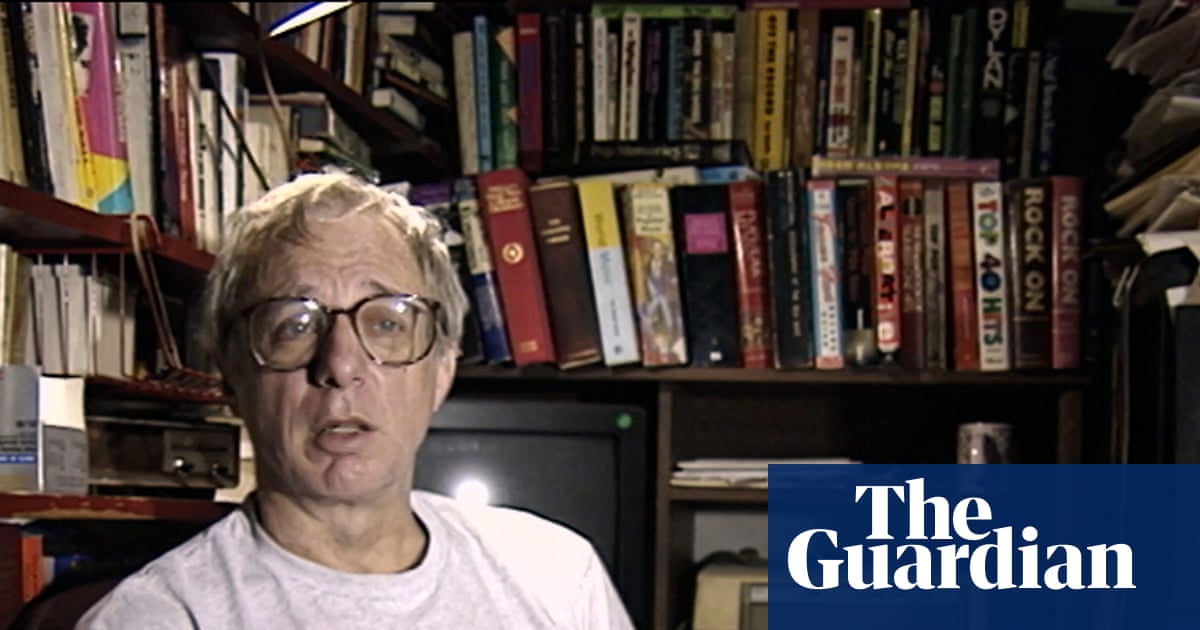
The cultural weight of Robert Christgau’s commentary on music is immense, and a new documentary, *The Last Critic*, pulls back the curtain on the formidable mind behind it. The film doesn't just recount history; it immerses the viewer in the chaotic, dense world of Christgau’s creative lair in the East Village, a space choked with physical media that speaks to an era where music was tangible. This environment sets the stage for understanding why his voice—so sharp, so uncompromising—became so indelible.
Christgau’s approach wasn't merely about liking or disliking a track; it was a rigorous assessment of its place in the broader cultural ecosystem. The documentary showcases how he navigated the tension between high art and commercial viability, a tightrope walk that defined his career. His infamous grading system, assigning letter grades to albums, was more than just a gimmick; it was a declaration that he would weigh music with the seriousness of an Olympic judge, even when delivering brutally honest assessments.
The film captures the dynamic between Christgau and his wife, Carola Dibbell, who is portrayed as both an intellectual partner and a crucial sounding board. Their relationship, marked by intense debates—even over something as seemingly trivial as a 1968 movie—reveals the deep personal connection that fueled his critical output. As one source noted, Dibbell was seen as 'like a supplemental brain and response machine,' suggesting their partnership was essential to shaping his perspective.
The core of Christgau’s genius lies in his ability to be both mercilessly blunt and profoundly insightful. The documentary features testimonials from critics who have been edited by him, confirming the reputation that he could make listeners feel utterly scrutinized, even if it meant making them feel 'the dumbest person in the world.' This dual nature—the savage takedown coupled with genuine appreciation for the music—is what cemented his status as a foundational figure in American rock criticism.
Challenging Consumption: Art, Commerce, and Grading
A key theme explored is Christgau’s challenge to the prevailing cultural mindset of his time. When he began *The Consumer Guide* in 1969, the very idea of assigning a price or a grade to music felt counterintuitive within bohemian culture. The documentary frames this as Christgau actively challenging the notion that consumption was inherently antithetical to artistic appreciation. His response—'If they can put a price on it, I can put a grade on it'—is presented as a pivotal moment where he asserted his authority over the commercialization of art.
This tension between high art and big business is central to understanding why Christgau remains so relevant today. He demonstrated early on that one could engage with the industry’s mechanics while maintaining a critical distance, offering readers a framework to navigate the often murky waters where popular taste meets industry machinery. The film suggests that his work provided an early blueprint for how critics can simultaneously be provocative and intellectually rigorous.
The documentary also touches upon Christgau's journey from aspiring journalist to critic, noting early successes in new journalism that paved the way for his later, more established critical voice. This trajectory illustrates a path where personal ambition intersected with a growing need for a more sophisticated language to discuss popular culture—a language Christgau helped invent and refine through his relentless scrutiny of the music landscape across decades of change. The legacy is one of establishing a standard for critical engagement that continues to resonate.
The Enduring Impact of Candor
Ultimately, what endures about Robert Christgau is the sheer force of his candor. The film emphasizes that his ability to deliver a harsh judgment while simultaneously offering a pathway toward deeper understanding is what made him a legend. His critiques were never just dismissive; they were deeply embedded in an understanding of the music’s texture and its place in history. This capacity to be both brutally honest and deeply knowledgeable has left an indelible mark on how subsequent generations of critics approach their work.
The documentary serves as a powerful reminder that critical authority doesn't require blind allegiance; it requires a willingness to dissect, judge, and ultimately, to articulate complex feelings about what we consume. Christgau’s legacy is not just in the albums he rated, but in establishing a model for critical engagement that demands both intellectual rigor and an unvarnished, almost savage, honesty. His work continues to fuel debates about authenticity in music today, proving that true influence comes from challenging the status quo with unwavering conviction.
Developing Story
The documentary *The Last Critic* provides a deep dive into the career of Robert Christgau and his critical philosophy. While the film establishes his profound influence on music criticism—particularly through his grading system and his confrontation of the art-business divide—the evidence provided focuses primarily on retrospective analysis of his career rather than documenting a concrete, new development or immediate consequence occurring in 2026 that demands urgent follow-up.
The documentary successfully frames Christgau as a foundational figure whose methods for assessing music’s cultural standing remain relevant. However, the current documentation does not point toward an unresolved question or a specific, documented event requiring further investigation beyond the established legacy of his critical output. The story serves as a powerful retrospective on a career that has already profoundly shaped musical discourse, leaving the immediate narrative space open to ongoing critical reflection rather than breaking news.
Unanswered questions remain regarding the precise mechanisms by which Christgau’s early work influenced specific subsequent artistic movements beyond general commentary. While his impact is clear, the documentary does not offer new data points or emerging conflicts that necessitate a developing story at this time. The narrative stands as a powerful statement on critical authority and the enduring power of uncompromising taste in the music world, but it doesn't currently point toward an immediate, actionable development.
Unanswered Questions
What remains unconfirmed is the precise extent to which Christgau’s specific grading methodology has been consciously adopted or replicated by contemporary music critics in the last decade. While his influence is undeniable, a direct line of succession for his critical framework is not explicitly detailed in the available material. Furthermore, while the documentary explores the tension between art and commerce, the evidence does not provide new data on how this specific dynamic is currently playing out in the streaming era.
The scope of Christgau’s influence extends across decades, but a concrete, immediate development that warrants an ongoing story—such as a new controversy or a significant shift in industry practice directly traceable to his work—is not present in the current evidence. The narrative concludes by cementing his status as a titan whose voice remains potent, rather than pointing toward a new event requiring immediate journalistic pursuit. The legacy is established; the next step is observation.
‘Mick Jagger should fold up his penis and go home’: the caustic genius of music critic Robert Christgau
He’s blunt as fuck,” said the late critic Greg Tate on screen. “He’ll make you feel like the dumbest person in the world – but you will liv
Want our sources?
Enter your email and we’ll send the claim-linked sources used for this article.
We use this address only to send this source list.