
Lifestyle
Tight Hips: Trauma or Tension? What Really Causes the Pain
Is the popular notion that tight hips are a sign of emotional trauma true? We dive into what actually causes hip tightness—from mechanical imbalances to lifestyle factors—and get practical advice on how movement and strength training can bring relief.
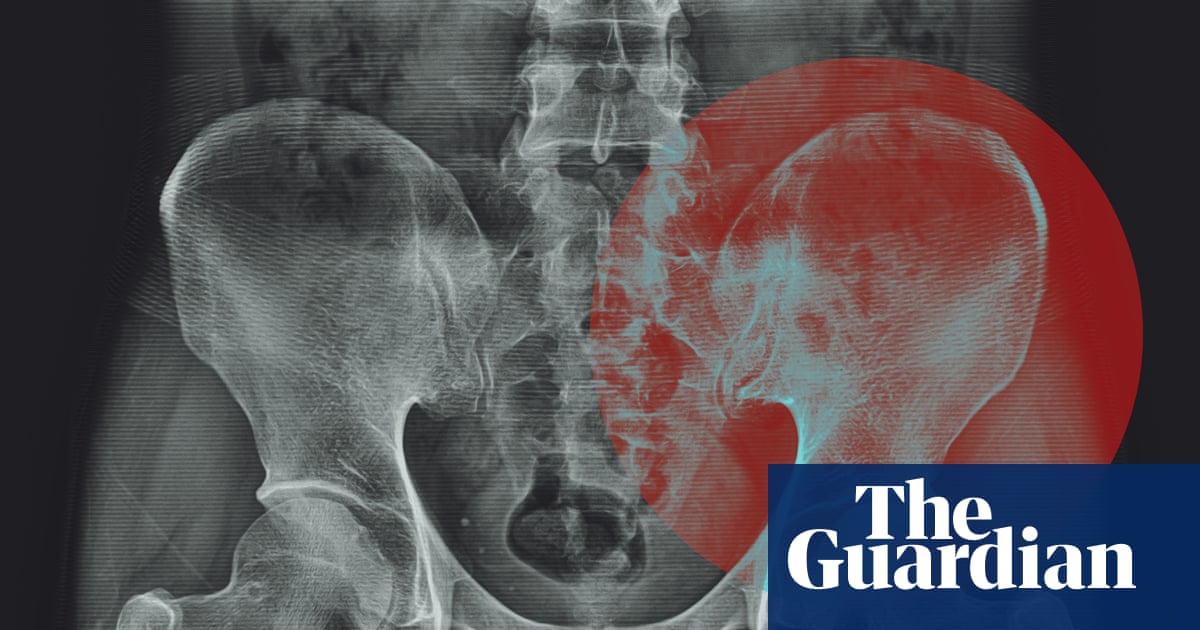
The Myth of the Tension-Holding Hip
We’ve all heard the whisper in wellness circles: your hips hold tension. It’s a familiar phrase echoing through yoga studios, TikTok trends, and self-care blogs, suggesting that these joints act as emotional storage units, holding onto old traumas or painful memories. But is this notion rooted in reality? When we consider whether persistent tightness in our hips signals a deeper mental health issue, the evidence suggests a more nuanced picture than simple emotional storage.
Experts caution against equating hip tightness directly with trauma-induced stress. While it’s undeniable that pain and muscle tension intensify when we are navigating difficult times, the specific link between old traumas and hip tightness isn't strongly supported by current research. Physiotherapists and biomechanics experts point out that there isn't a unique predisposition for stress to manifest as chronic hip tension. This suggests that while mental strain certainly plays a role in musculoskeletal discomfort, pinning the source solely on the hips misses the mark.
Decoding Hip Tightness: Mechanical vs. Psychological Causes
When you feel that unwelcome pulling sensation or stiffness in your lower body, it’s crucial to understand what might be causing it. The feeling of tightness can stem from two primary avenues, neither of which neatly aligns with a simple stress-tension narrative. One possibility is purely mechanical: the muscles are resisting a stretch even when they feel relaxed. This stiffness is a physical property reflecting how your tissues have been built and utilized over time.
The second avenue involves a more subtle interplay between the nervous system and muscle activity. It’s possible that your muscles and nerves are engaging in low-level activity more frequently than necessary—a pattern often triggered when individuals are under psychological stress. However, neither of these explanations maps cleanly onto the specific location or sensation people describe as "tight hips." Often, what feels like hip tightness might actually be originating from the buttocks or the back, rather than the actual hip joint itself.
Where the Real Tension Lies
The evidence points toward other areas where the connection between mental strain and physical tension is more pronounced. Clinicians suggest that the strongest links between psychological stress and musculoskeletal tension are found in areas like the shoulders, the jaw, and the pelvic floor. This distinction is important because it reframes where we should be looking for solutions when discomfort arises.
Furthermore, anatomical issues can certainly contribute to hip discomfort. For instance, differences in the depth of your hip sockets—whether they are too shallow or too deep—can lead to increased pain sensitivity. Another common culprit involves irritation of the tendons or the fluid-filled cushions on the outside of the hip, known as tendinitis or bursitis, which is particularly prevalent among middle-aged and older women.
The Sedentary Trap and Muscle Imbalances
Beyond emotional load and anatomy, a significant factor contributing to hip discomfort in modern life is inactivity. Experts note that muscles in the front of the hip can become shortened due to prolonged sitting, alongside other imbalances in muscle strength and length throughout the body. While studies haven't definitively proven that short hip muscles are the sole cause of pain, many factors associated with a sedentary lifestyle contribute significantly to discomfort for desk workers.
Overall health acts as a crucial moderator; an underlying anatomical problem can certainly increase your susceptibility to pain, but stress, poor sleep, and inactivity often tip the scales toward actual discomfort. The structure of the body is not destiny, but it’s also not entirely irrelevant—it’s a complex interaction.
Practical Moves: Lotion for Your Muscles
So, what’s the stylish, practical approach to easing this tightness? The most immediate and effective step is simply to move more. Gentle stretching and regular exercise often prove to be "motion lotion," easing muscular tightness because it is usually muscular in origin and not inherently dangerous. However, caution is key: aggressive stretching can backfire, especially if your discomfort stems from socket depth issues, as overstretching might cause undue stress on the joint itself.
For sustainable relief, incorporating a balanced routine is essential. Aim for regular aerobic exercise alongside strength training at least twice a week. Specifically targeting glute-strengthening exercises, such as clamshells and "monster walks," can be highly beneficial. These movements help increase your hips’ capacity to handle use and offer added benefits for aging adults by increasing hip bone density, which helps lower the risk of fractures.
When to Seek Expert Guidance
If movement doesn't provide relief, or if tightness worsens with activity, it’s time to seek professional insight. When consulting a clinician, look for someone who takes a holistic view, inquiring about your stress levels and sleep patterns alongside your physical symptoms. While imaging tools like X-rays and MRIs can occasionally clarify anatomical causes, both experts agree that these scans rarely pinpoint the exact source of discomfort.
Ultimately, if lingering discomfort persists despite your best efforts, it’s okay to find a measure of peace with it. Accepting some pain can sometimes be easier than relentlessly chasing an immediate fix, and in that acceptance, there is an unexpected benefit. When you are ready for more targeted help, remember that structure isn't fate; it’s a dynamic system that responds to how we care for it.
Motion is lotion.
It’s OK to look for a fix, but sometimes accepting some pain is easier. And then the irony is, it helps.
Want our sources?
Enter your email and we’ll send the claim-linked sources used for this article.
We use this address only to send this source list.