
Interesting Things
Shingles Vaccine Linked to Lower Heart Attack and Stroke Risk
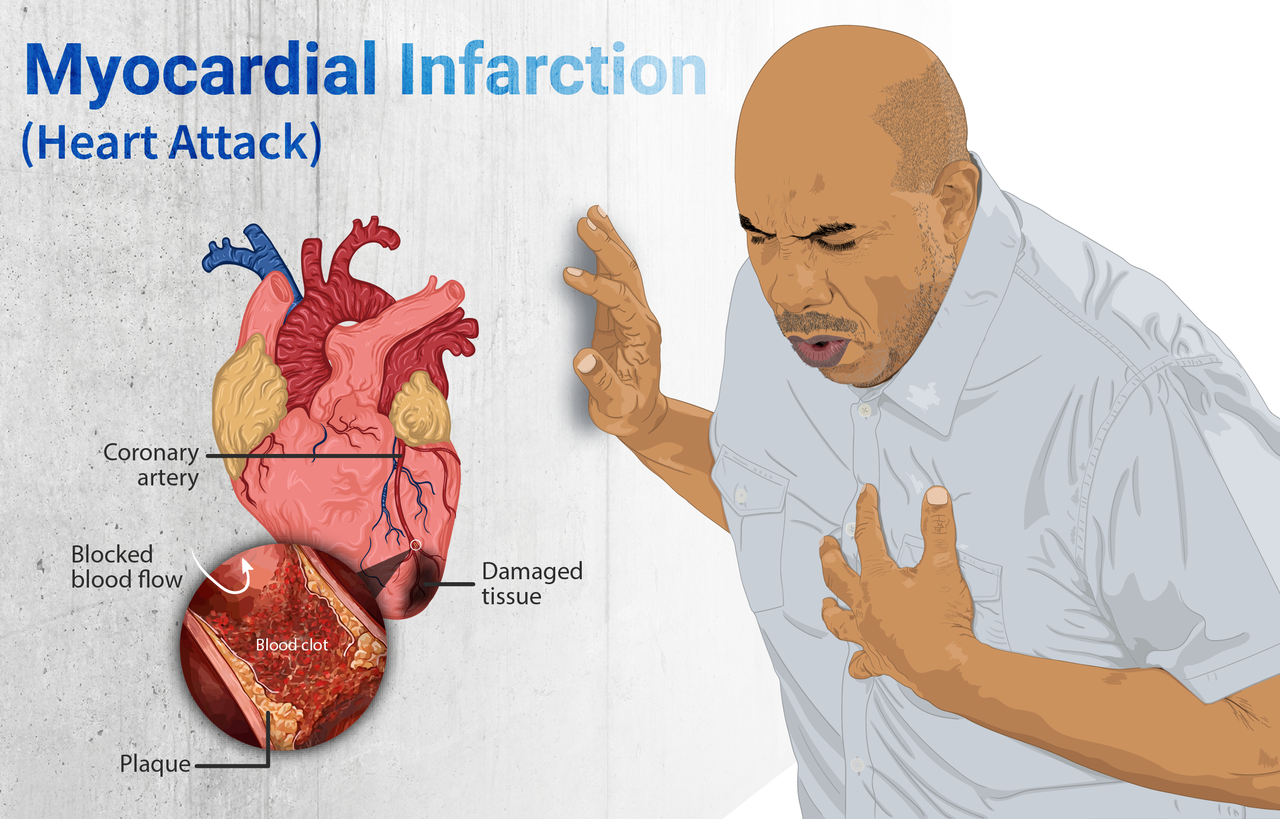
A new study suggests that the shingles vaccine may offer significant protection against heart attacks and strokes by influencing the body's overall inflammatory response, prompting readers to wonder about the deep connections between infectious disease immunity and long-term cardiovascular health.
Beyond the Pain: The Ripple Effect of Immune System Health
The connection between a localized viral infection like shingles and systemic risks like heart disease forces us to reconsider how we view health. We often treat symptoms in isolation—pain management for the rash, medication for blood pressure—but this research pulls the focus upward, showing that our physical well-being is an interconnected ecosystem. When one part of the system is stressed by a viral threat, the whole system bears the weight. This realization shifts the conversation from mere symptom management to holistic protection.
The potential for the vaccine to influence broader inflammatory pathways is where the real fascination lies. If the immune response triggered by vaccination can modulate systemic inflammation, it suggests that immunity isn't just about fighting off a specific virus; it’s about tuning the body’s internal thermostat. This echoes the broader understanding in modern science that chronic inflammation plays a critical role in the development of cardiovascular diseases and neurological conditions.
The fact that this observational data points toward a potential reduction in cardiovascular events—heart attacks, heart failure, and strokes—is compelling. It suggests that preventative immunological action might be one of the most potent tools we possess for long-term physical resilience. It moves us closer to an era where proactive biological defense is valued as highly as reactive treatment, offering a new perspective on what it means to live a long, healthy life in our modern world.
The Science of Prevention: A New Benchmark for Health
This research isn't just an interesting footnote; it sets a new benchmark for how we evaluate preventative medicine. It moves the conversation beyond simply assessing immediate safety to understanding long-term, systemic health benefits derived from immunological interventions. The focus on tracking outcomes over several years, and comparing different vaccine technologies, underscores the need for ongoing, rigorous investigation into these complex biological interactions. It’s a call for deeper dives into the mechanisms that link infectious disease immunity to chronic disease prevention.
The work by researchers like Dr. Taquet highlights the immense potential when we look at large datasets. By analyzing outcomes across thousands of individuals, scientists can begin to map out the subtle yet powerful ways in which our immune systems interact with our cardiovascular health. This approach, looking for correlations that might point toward causal links, is crucial for building a more nuanced and effective strategy for public health moving forward. It’s about harnessing the power of large-scale observation to anticipate future health challenges.
Ultimately, this story reminds us that the most profound discoveries often lie at the intersection of seemingly disparate fields—virology, immunology, and cardiology. The promise here is that by understanding how our bodies respond to infection, we can develop preventative strategies that offer tangible, life-altering benefits, turning a medical necessity into a powerful tool for sustained health and longevity across the lifespan. It’s a reminder that wonder is often found in the intricate dance of biology.
A Note on Context: The Broader Landscape of Health Science
While this specific study focuses on the shingles vaccine and cardiovascular risk, it sits within a larger, evolving landscape of medical discovery. We are seeing an increasing focus on how seemingly unrelated biological processes—like immune response and vascular health—are deeply intertwined. This trend is mirrored across many areas of science, from the complex dynamics of climate and water systems to the subtle ways in which our environment shapes our biology. It underscores a vital theme: understanding interconnectedness is key to unlocking true health.
This focus on systemic effects also echoes broader scientific explorations into how environmental factors influence human physiology. Whether examining the impact of air quality, water contamination, or even the physical environment we inhabit, the message remains consistent: what happens in one system inevitably ripples through all others. The insights gained from studying the body’s response to infection can offer valuable analogies for understanding larger ecological and societal challenges.
The pursuit of knowledge, whether it's tracking star movements around black holes or understanding how dogs process social cues, shares a common thread: an insatiable curiosity about the underlying rules of reality. This drive to understand the intricate mechanisms governing our existence is what drives scientific progress, pushing us toward more holistic and compassionate ways of living and treating ourselves. It’s a reminder that the most valuable discoveries often reveal the beautiful, complex interconnectedness of everything.
The Unseen Threads: Connecting Biology to Daily Life
For the everyday reader, what does this mean when we step away from the laboratory? It means recognizing that preventative health is not a distant, abstract goal but an active choice woven into our daily routines. Understanding how vaccines interact with long-term health risks gives us a powerful tool for making informed decisions about our personal well-being and the choices we make regarding our health trajectory. It transforms complex medical data into actionable wisdom for navigating the world.
This knowledge empowers us to appreciate the science behind our bodies. When we understand that an intervention against one type of virus can influence long-term cardiovascular risk, it fosters a sense of agency. It shifts the narrative from passive acceptance of risk to active participation in health management. This is about understanding the subtle forces at play and using that understanding to advocate for a healthier future for ourselves and our communities. It’s about seeing the world with fresh, curious eyes.
The journey into this science reveals that wonder isn't confined to distant galaxies or abstract theories; it resides in the very biology of our own existence. The ability to see how complex systems interact—how a simple biological response can have far-reaching consequences—is a source of genuine awe. It encourages us to approach health, environment, and society with the same level of thoughtful curiosity that drives the exploration of the universe itself, reminding us that the most important frontiers are often found right within our own experience.
If confirmed in clinical trials, the effect of Shingrix would be equivalent to antihypertensives,” Dr. Maxime Taquet, a clinical lecturer at the University of Oxford, said.
The research found that Shingrix was associated with a 12% reduction in cardiovascular events—including heart attacks, heart failure, and stroke—in the first three and a half years after vaccination.
Want our sources?
Enter your email and we’ll send the claim-linked sources used for this article.
We use this address only to send this source list.