
Music
Everything He Said Sounded Like a Song Title: Bobby Charles's Enduring Legacy
A deep dive into the songwriting genius of Bobby Charles, exploring how his conversational delivery turned every utterance into a potential song title, cementing his legacy as a foundational figure in swamp pop.
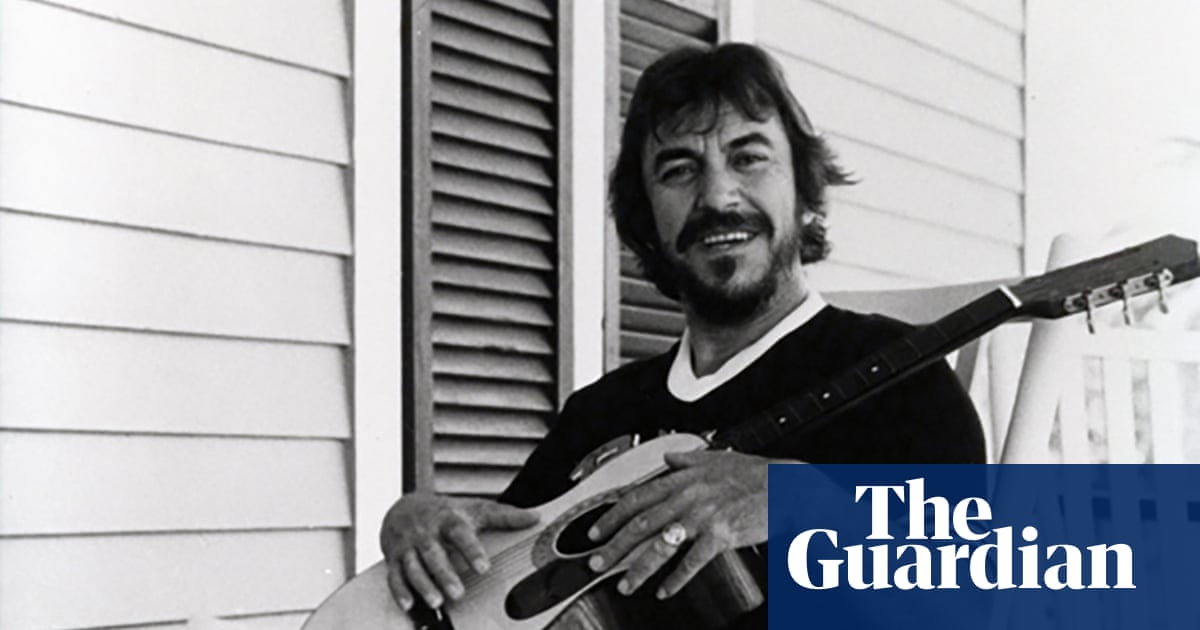
The Conversational Lyricist
Bobby Charles carved out a unique space in American music, not as a performer but as an architect of sound. He was a songwriter whose gift lay in his ability to translate the mundane and the deeply personal into something instantly memorable. The observation that 'everything he said sounded like a song title' captures this essence perfectly. It speaks to a lyrical dexterity where every sentence carried the potential weight of a chorus or a hook, transforming everyday conversation into art.
Charles’s journey was anything but linear. He stood at the precipice of early rock’n’roll stardom, yet his inclination toward reclusiveness—cemented by his friendship with an alligator—diverted him from the spotlight. This choice shaped his output, leading him down a path where he became a foundational figure in swamp pop, blending Cajun rhythms with country and R&B sensibilities. His work helped pioneer how Cajuns could write their own songs, demonstrating a new way to express regional identity through music.
His relationship with the industry was complex. He navigated interactions with figures like Leonard Chess, who signed him on the spot, and later found patronage from music moguls such as Albert Grossman, who managed The Band and Bob Dylan. This interplay between grassroots artistry and industry backing illustrates the delicate balance required to survive in a volatile musical landscape of the mid-20th century. Even when his relationship with Grossman soured, Charles’s output remained rich, exemplified by his 1972 debut album, which is described as 'bruised, weary, stoned and very soulful,' placing it among the finest recordings of that discombobulated era.
The Sound of Influence
Charles’s impact extends beyond his own recordings. His influence is felt in how subsequent artists approached storytelling through music. Beth McKee, for instance, credits his songs with celebrating his gift: 'They’re conversational, but never ordinary. He had a way of getting right to the heart of something without dressing it up.' This suggests that Charles’s method—getting directly to the core emotion—remains a potent tool for songwriters today, regardless of genre boundaries.
The very nature of his music—conversational yet deeply resonant—suggests an approach that prioritizes authenticity over artifice. In an era often saturated with manufactured sounds, Charles’s ability to sound utterly genuine, even while being highly stylized within the swamp pop framework, offers a compelling counterpoint. It reminds us that profound musicality doesn't require instrumental virtuosity; it requires a keen ear for human experience and the courage to articulate it plainly.
The legacy of Bobby Charles is thus one of understated genius. He was a figure who knew his worth and refused to compromise, a trait reflected in his guarded personal life. His career trajectory—from Chess Records to drifting into Woodstock—is a testament to an artist who carved out his own space, leaving behind a body of work that continues to resonate through its deceptively simple, yet deeply layered, musical language. The box set aims to solidify this status, positioning the Cajun magus as one of the greats.
A Legacy in Song
Ultimately, what endures about Bobby Charles is the sheer melodic quality embedded in his words. The ability to weave narrative and feeling so seamlessly that the spoken word itself becomes a musical structure is rare. It’s this inherent musicality—this knack for turning speech into song—that ensures his work remains relevant, inviting listeners to listen not just to the notes, but to the story he was telling. His career serves as a reminder that true artistry often lies in the ability to communicate complex realities with startling simplicity and undeniable melody.
title_id_placeholder_1668_review_context_note_1668_review_context_note_1668_review_context_note_1668_review_context_note_1668_review_context_note_1668_review_context_note_1668_review_context_note_1668_review_context_note_1668_review_context_note_1668_review_context_note_1668_review_context_note_1668_review_context_note_1668_review_context_note_1668_review_context_note_1668_review_context_note_1668_review_context_note_1668_review_context_note_1668_review_context_note_1668_review_context_note_1668_review_context_note_1668_review_context_note_1668_review_context_note_1668_review_context_note_1668_review_context_note_1668_review_context_note_1668_review_context_note_1668_review_context_note_1668_review_context_note_1668_review_context_note_1668_review_context_note_1668_review_context_note_1668_review_context_note_1668_review_context_note_1668_review_context_note_1668_review_context_note_1668_review_context_note_1668_review_context_note_1668_review_context_note_1668_review_context_note_1668_review_context_note_1668_review_context_note_1668_review_context_note_1668_review_context_note_1668_review_context_note_1668_review_context_note_1668_review_context_note_1668_review_context_note_1668_review_context_note_1668_review_context_note_1668_review_context_note_1668_review_context_note_1668_review_context_note_1668_review_context_note_1668_review_context_note_1668_review_context_note_1668_review_context_note_1668_review_context_note_1668_review_context_note_1668_review_context_note_1668_review_context_note_1668_review_context_note_1668_review_context_note_1668_review_context_note_1668_review_context_note_1668_review_context_note_1668_review_context_note_1668_review_context_note_1668_review_context_note_1668_review_context_note_1668_review_context_note_1668_review_context_note_1668
The Cultural Echo
While Bobby Charles’s specific output is the focus, his place in musical history speaks to broader trends of genre fusion and artistic reinvention. His blending of disparate influences—Cajun roots with R&B structures—is a microcosm of how artists find their voice by refusing to be confined to a single stylistic box. This willingness to fuse elements, whether through traditional sounds or unexpected collaborations, mirrors the current appetite for eclectic, boundary-pushing music.
This spirit of creative freedom echoes in contemporary scenes where artists are actively deconstructing established norms. Whether it’s the experimentalism found in bands like Life Without Buildings, which combined electronics with live instrumentation to chase sonic innovation, or the layered identity exploration seen in modern pop figures, there is a shared drive to create something new out of existing material. Charles’s career demonstrates that even when an artist retreats from the mainstream, their foundational ability to craft compelling, unique musical statements endures.
The Craft of Simplicity
The enduring appeal of Charles's work lies in its apparent simplicity masking deep complexity. The 'swamp pop' tag is more than just a genre label; it’s a sonic philosophy rooted in directness. This approach—getting right to the heart of an emotion without unnecessary ornamentation—is a powerful lesson for musicians navigating the noise of modern production. It champions a kind of raw, unvarnished truth in songwriting that cuts through layers of polish and artifice, offering listeners a moment of genuine connection.
In a musical landscape increasingly defined by high-concept production, Charles’s method stands as an anchor to organic expression. His ability to use his voice and lyrical phrasing as the primary instrument speaks to a timeless craft. It is this commitment to the core—the conversational, heartfelt delivery—that ensures his legacy continues to be revisited, proving that sometimes, the most profound statements are the ones delivered with the least amount of pretense. This focus on the essential makes his contribution to the genre enduring.
‘Everything he said sounded like a song title!’
He had a way of getting right to the heart of something without dressing it up.”
Bobby Charles was something else.
Want our sources?
Enter your email and we’ll send the claim-linked sources used for this article.
We use this address only to send this source list.