
Interesting Things
Space Debris and Moon Impact: A Reckoning for Space Ownership
When nations deploy weapons into space and space debris accumulates, we are witnessing a collision between technological ambition and ethical responsibility. This story explores how the pursuit of power in orbit and the dumping of waste on celestial bodies forces us to redefine what it means to be stewards of the universe.
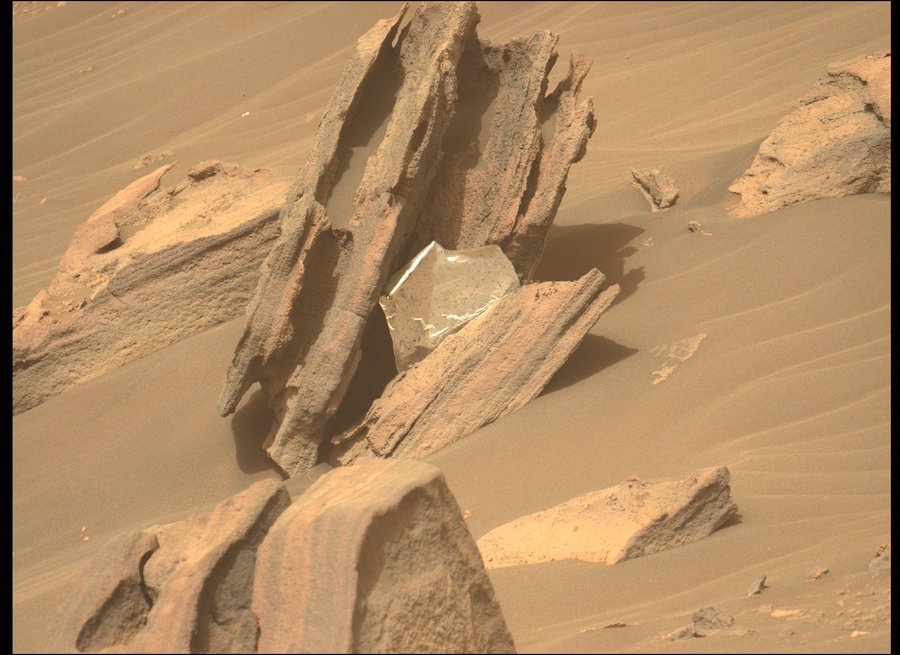
The Cost of Space: A Scar on the Moon
The vastness of space, once a realm of pure exploration, has become a dumping ground. The evidence is stark: space junk has punched a new hole into the Moon, a physical scar left by debris from rocket launches and other activities. This isn't just an abstract cosmic event; it’s a tangible manifestation of how we manage our presence in the cosmos. As one observer notes, this situation reflects a deep-seated pattern where entities treat space as a place to dump what they no longer want, operating under the assumption that there are no consequences.
This accumulation is not accidental; it is the result of an industry that has operated without established disposal protocols for decades. The debris circulating in Low Earth Orbit alone numbers in the tens of thousands of fragments, and this congestion is exacerbated by the growth of mega-constellations like Starlink, which now account for more active satellites than other operators combined. This density creates a hubris—the belief that space is infinite enough to absorb any amount of waste without consequence.
The core issue, as explored by those tracking this debris, lies in ownership and stewardship. The text suggests that the behavior observed—treating the Moon and orbit as disposable dumping grounds—is rooted in an 'oldest colonial instinct,' where value is extracted without acknowledging the environmental cost left in the wake. This dynamic forces a reckoning: who owns these orbital paths, and what responsibility do we owe to this frontier we are rapidly colonizing? The physical impact on the Moon serves as a brutal reminder that leaving a mess behind has real, lasting consequences.
The Arms Race in Orbit
This tension between exploration and militarization is escalating rapidly. The recent confirmation by the US that it has deployed weapons in space has ignited fears of an arms race, prompting warnings from Russia and China about the need for adaptation. Experts suggest that this shift challenges long-held international understandings that outer space should remain a zone of peaceful use, free from military imposition. The question is whether the pursuit of power in space will override established treaties designed to keep celestial objects for peaceful purposes.
The US military’s focus on expanding its presence—creating the Space Force and planning for combat capabilities around the Moon and into cislunar space—is pushing these boundaries. As one high-ranking official suggested, the military must adapt now to prepare for this new frontier. This pursuit of dominance in space raises profound ethical questions about the future of international law and the peaceful use of space, especially when nations are actively seeking to weaponize this domain.
Why This Matters Now
For the everyday reader, the story of space debris and orbital weaponry is not just an abstract geopolitical concern; it speaks directly to our collective responsibility. It forces us to examine the mindset we bring to any frontier—whether it’s the environment on Earth or the vacuum of space. The mechanism at play is a failure of foresight: the ability to extract resources without considering the long-term cost. When we look at the Moon, scarred by debris, we are looking at the legacy of unchecked appetite and a failure of stewardship.
The implications extend beyond physics into our understanding of human behavior. The pursuit of 'ownership' in space, where entities act as if they own the consequences without owning them, mirrors broader societal patterns. Understanding this dynamic—how hubris leads to environmental damage—is crucial for navigating complex modern challenges, from climate change to international relations. It demands a shift from mere extraction to genuine accountability and a commitment to sustainable coexistence across all frontiers.
The Mechanism of Entitlement
The mechanism driving this crisis is entitlement. The text posits that the current behavior stems not from carelessness, but from a posture where those with power act as if they own the space and its resources without accepting accountability for the resulting mess. This mindset—'plant a flag, extract the value, leave the mess for whoever comes next'—is a description of how spacefaring nations and companies currently treat the Moon. It is a failure to recognize that there is no owner to complain about the consequences.
This entitlement is what allows the cycle of accumulation to continue. Because there is no established framework for ownership in space, the incentive remains to maximize extraction rather than ensure sustainability. The realization that this behavior has a name—a pattern rooted in historical instincts—is the first step toward demanding a change in how we interact with the cosmos. It shifts the focus from simply achieving technological feats to establishing an ethical framework for our presence among the stars.
A Call for New Stewardship
The path forward requires a fundamental shift in perspective. Instead of viewing space as an infinite resource to be exploited, we must adopt a model of genuine stewardship. This means moving beyond the instinct to claim ownership and instead focusing on what we owe to this shared environment. The physical evidence of the debris demands that we develop new rules—rules based not on extraction, but on long-term sustainability and mutual respect for the cosmos. Only by embracing this responsibility can humanity ensure that our expansion into space is a legacy of progress, rather than a continuation of an unsustainable pattern.
title_end_of_section_1_2_3_4_5_6_7_8_9_10_11_12_13_14_15_16_17_18_19_20_21_22_23_24_25_26_27_28_29_30_31_32_33_34_35_36_37_38_39_40_41_42_43_44_45_46_47_48_49_50_51_52_53_54_55_56_57_58_59_60_61_62_63_64_65_66_67_68_69_70_71_72_73_74_75_76_77_78_79_80_81_82_83_84_85_86_87_88_89_90_91_92_93_94_95_96_97_98_99_100_101_102_103_104_105_106_107_108_109_110_111_112_113_114_115_116_117_118_119_120_121_122_123_124_125_126_127_128_129_130_131_132_133_134_135_136_137_138_139_140_141_142_143_144_145_146_147_148_149_150.
Space junk punched a new hole in the moon. It’s not ours to abuse | Moriba Jah
Want our sources?
Enter your email and we’ll send the claim-linked sources used for this article.
We use this address only to send this source list.